
RARE India
The Doksa Hero Banner

The Doksa, Mane Village, Spiti Valley

10
Himachal Pradesh, India

A high-altitude farmstay shaped by land and climate

At over 12,000 feet in the high-altitude desert of Spiti, The Doksa demonstrates that hospitality in fragile landscapes demands a different approach. Here, sustainability is not an added feature; it is embedded into the very fabric of the experience.

Built using traditional rammed-earth architecture, powered by renewable energy, mindful of water use, and deeply connected to local communities, The Doksa reflects the wisdom of a region where every resource matters. Yet what makes it truly special is not just how it operates, but how it invites guests to experience Spiti itself.

Operational Period

Seasonal (Opens mid-May; brief monsoon pause depending on terrain and access)

From

INR 16,500 / Night

Credit Cards
Credit Cards
Conferencing
Conferencing
Doctor
Doctor
Driver Stay
Driver Stay
Beverages
Beverages
Bathware
Bathware
Inclusive
Inclusive
Laundry
Laundry

Your Stay at The Doksa, Mane Village, Spiti Valley, Himachal Pradesh

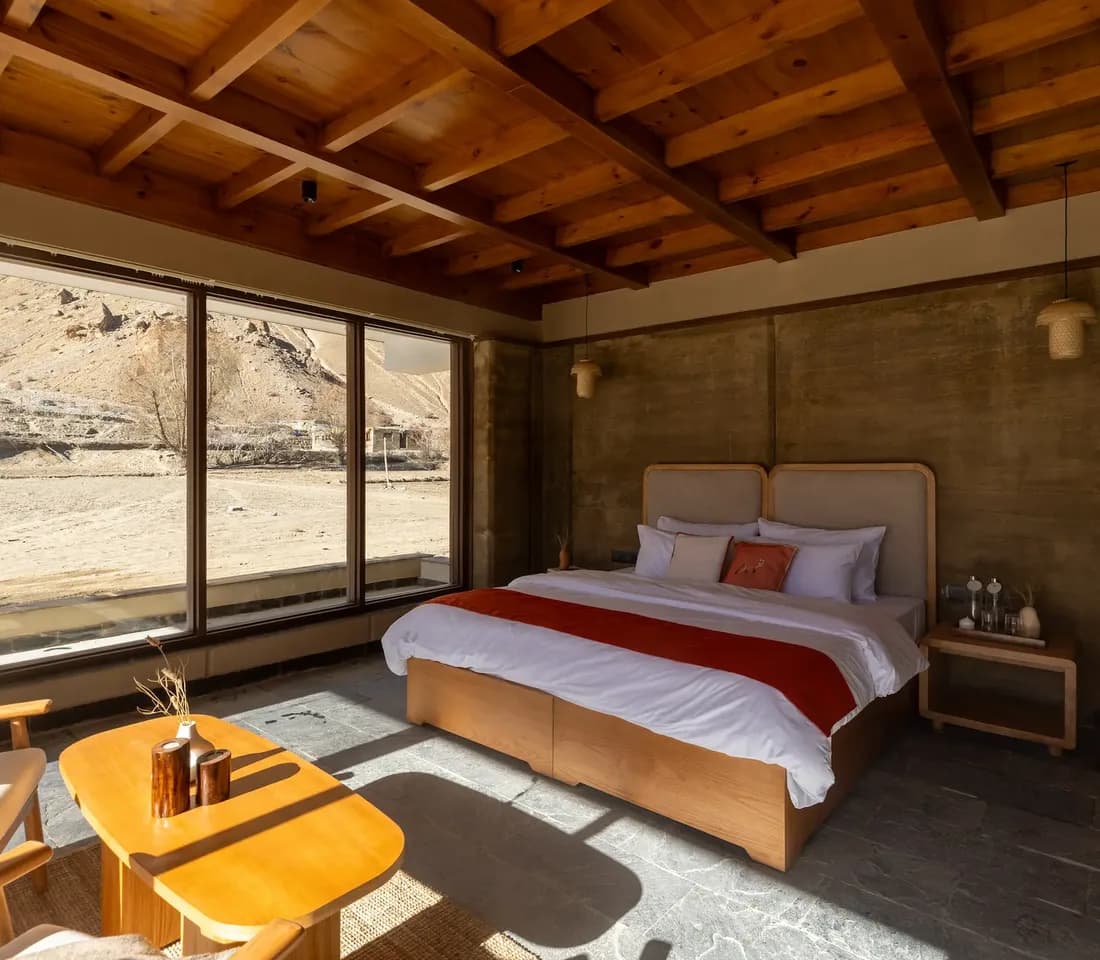
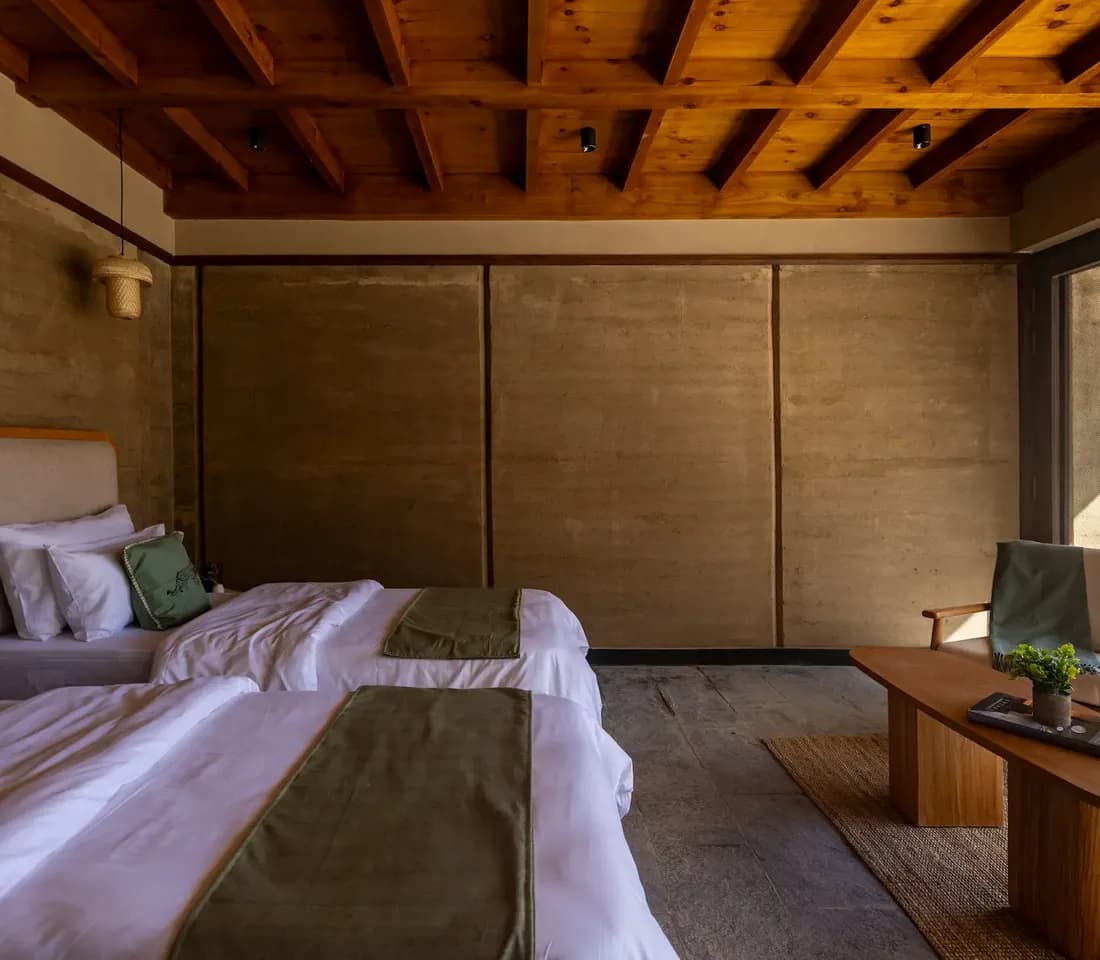
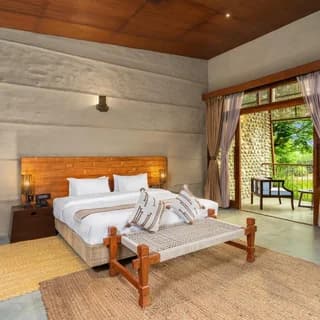
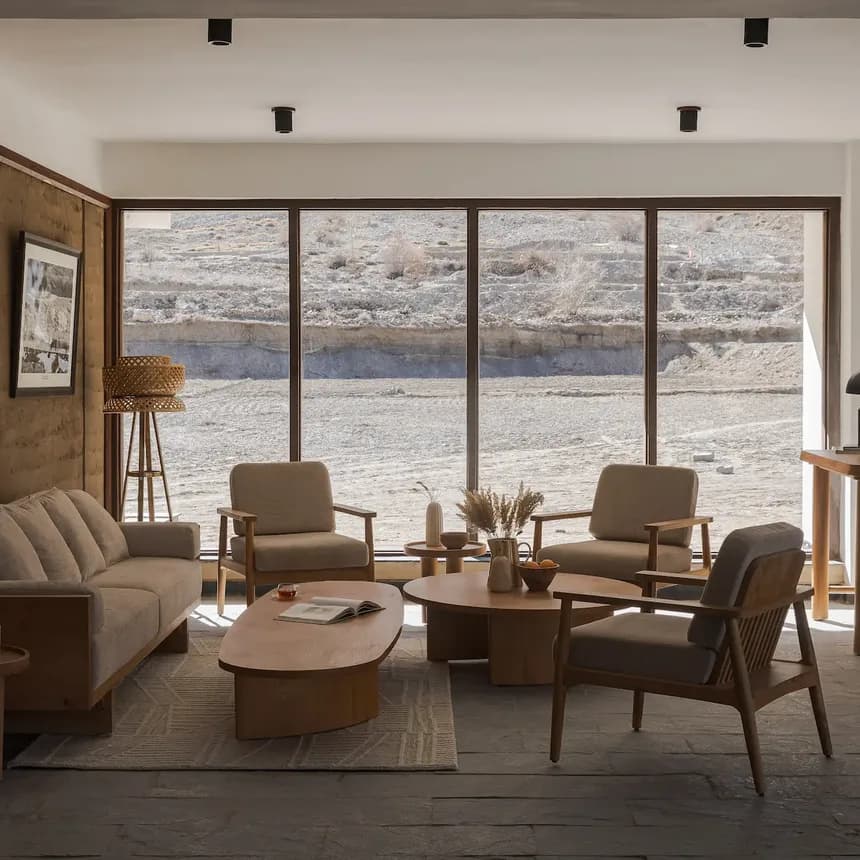
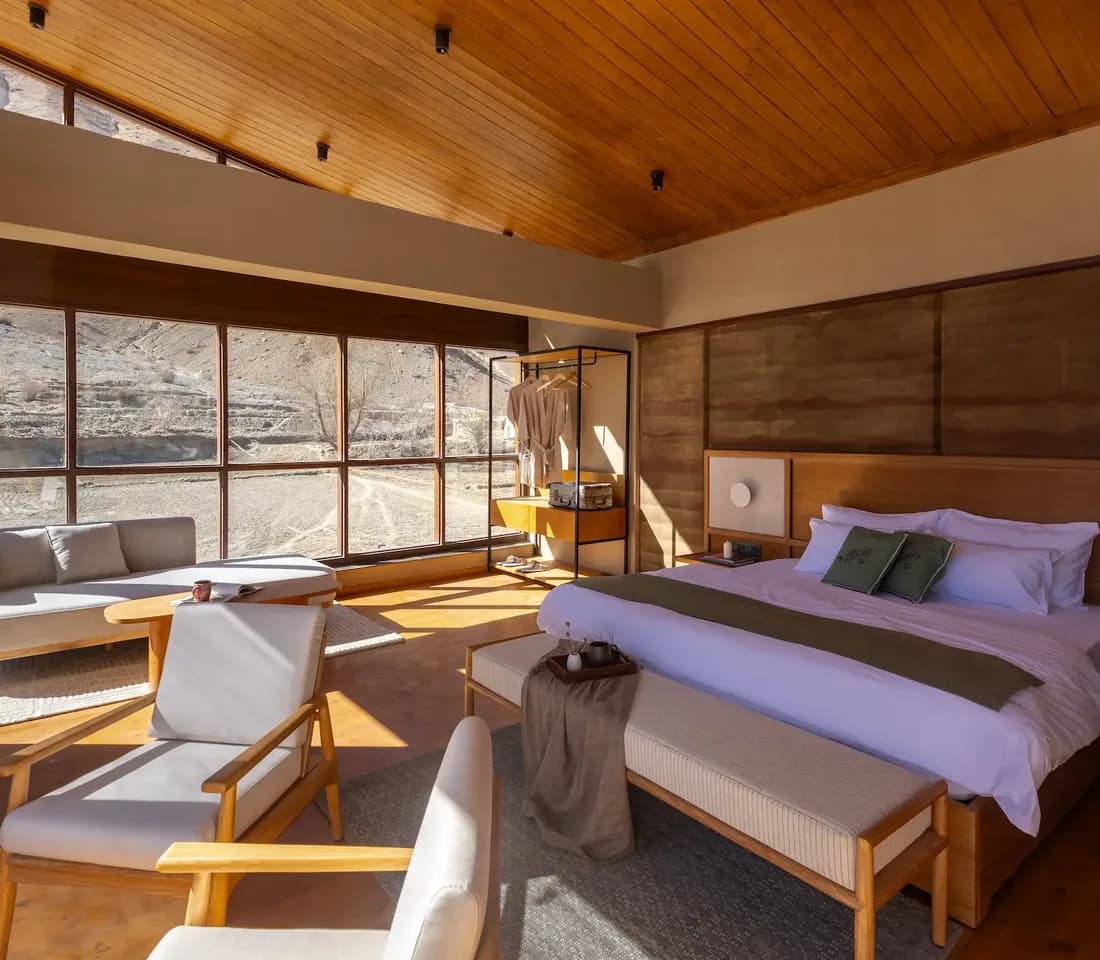
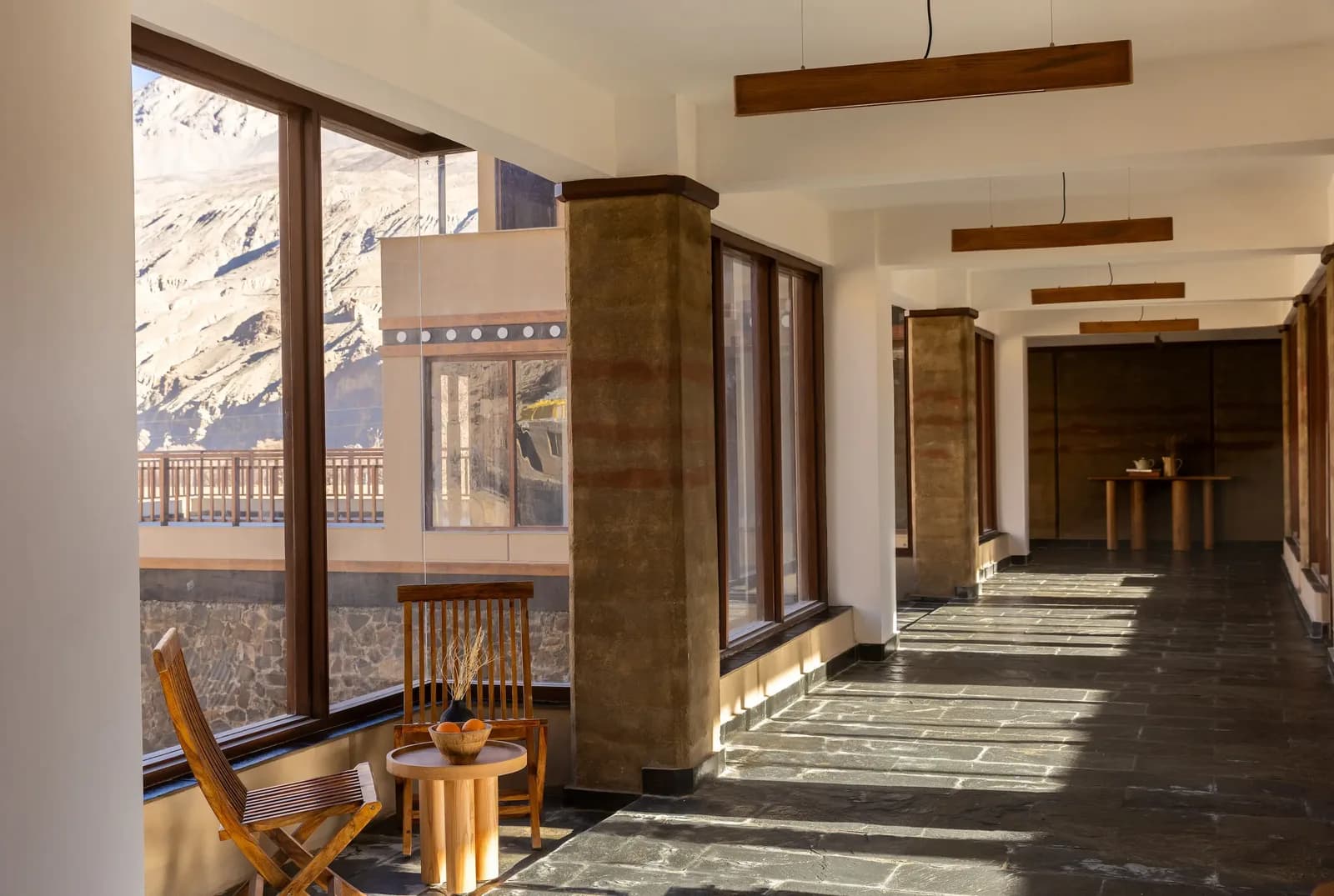
The ten rooms at The Doksa are designed for warmth, simplicity, and a sense of continuity with the landscape. Rammed-earth construction naturally regulates temperature, supported by central heating and heated floors during the winter months. Large windows let in natural light while interiors remain uncluttered and functional, allowing space rather than furnishings to define comfort. Rooms may be configured as double or twin, with provision for an additional guest when required. Bathrooms are practical and warm, and amenities remain considered but restrained. Living here is shaped less by indulgence than by ease, by warmth, quiet, and the presence of the valley beyond the window.

Signature Room

Signature Room

INR 26,500/ NIGHT

Premium Room

Premium Room

INR 19,500/ NIGHT

Deluxe Room

Deluxe Room

INR 16,500/ NIGHT

RARE India

Perfectly RARE

Stay at least three nights. The Doksa is not experienced in passing; it settles gradually through light, land, and the measured rhythm of Spiti.
Doksa Destination

Destination

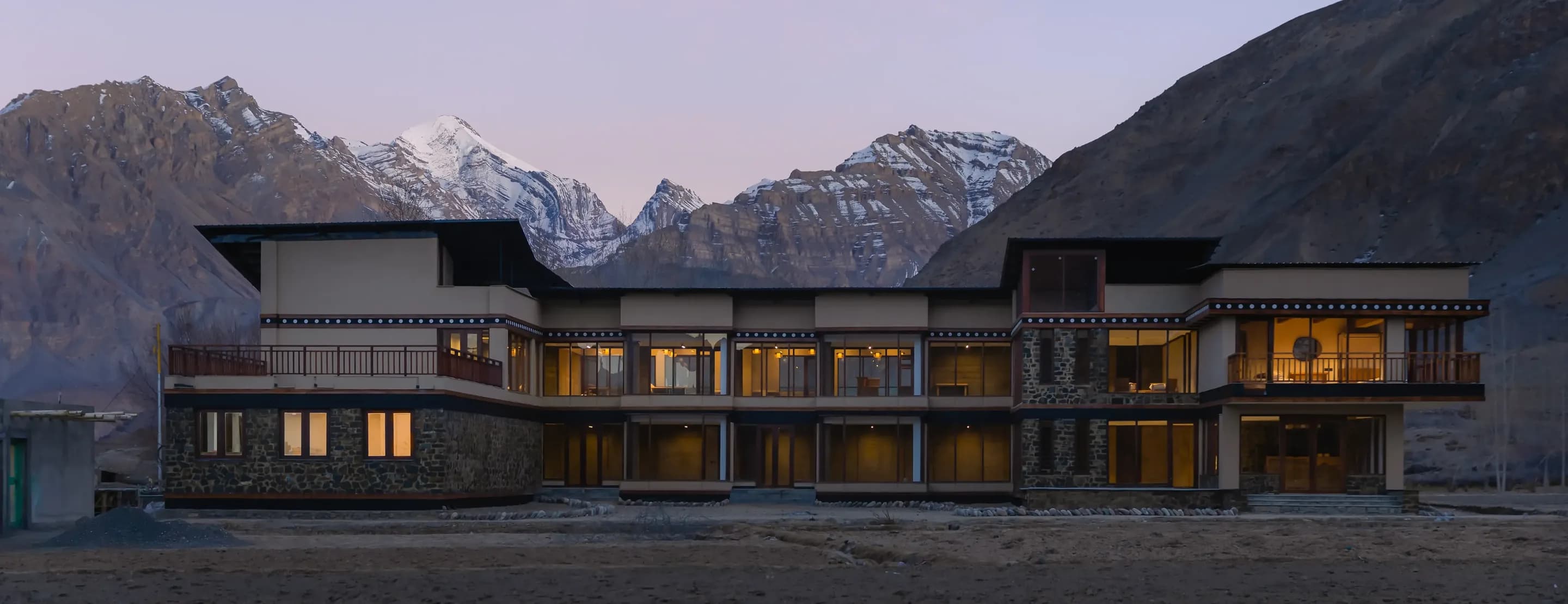
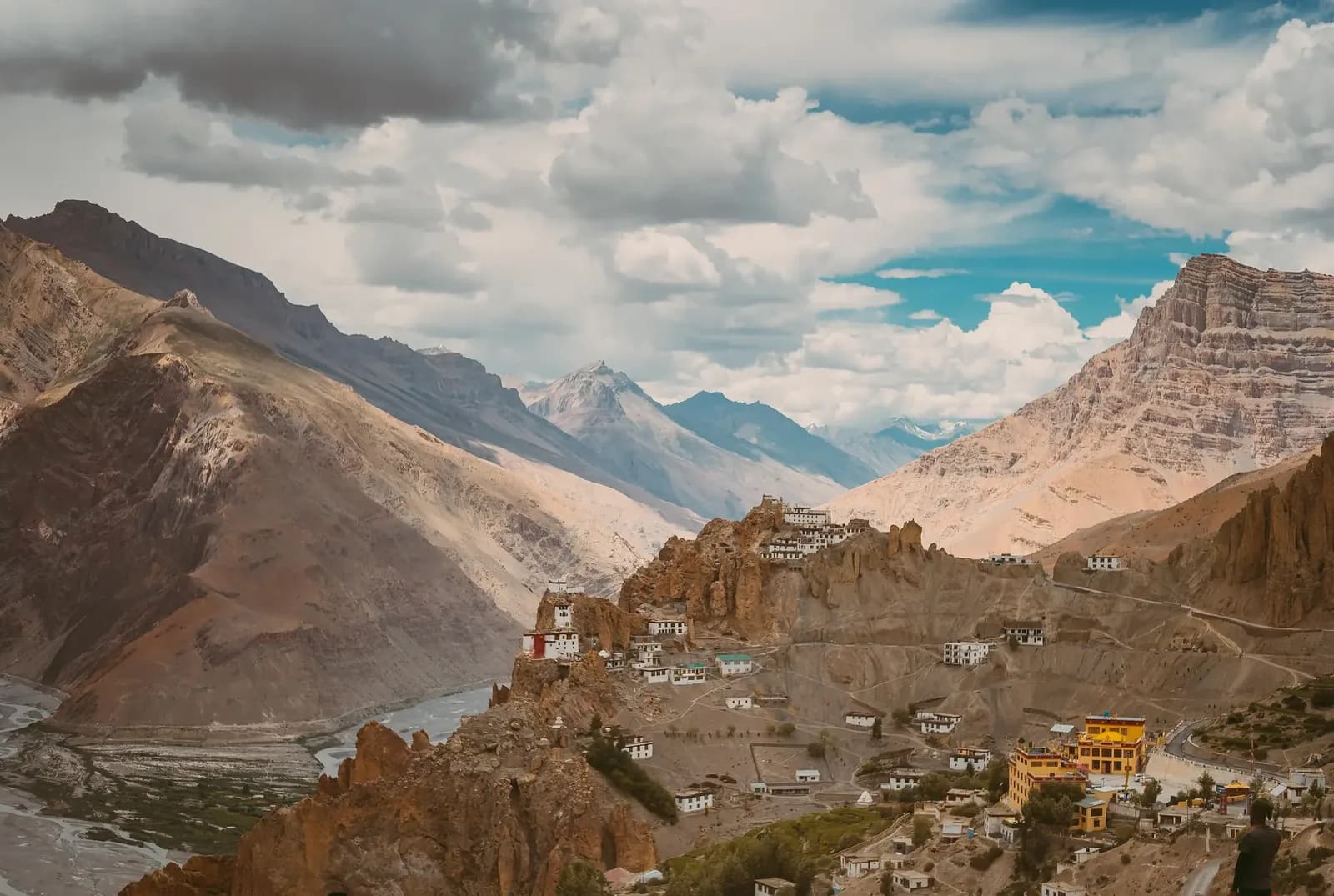
Set in Maney village between Tabo and Kaza, The Doksa lies within the high-altitude desert of Spiti Valley, where terrain, altitude, and climate shape both life and movement. Part of India’s Cold Desert Biosphere, the region is marked by long winters, short growing seasons, and a landscape where settlement, farming, and monastic life have long adapted to environmental limits. The property looks towards the Manirang massif, whose majesty anchors the landscape through shifting light and seasons. The Doksa sits within working farmland rather than town space, allowing guests to experience the valley through its lived rhythms rather than as transit. The stillness here is not absence but continuity of land, weather, and the slow passage of light across terrain.

Design and Concept

The Doksa was conceived as a small, land-anchored farmstay shaped by Spiti's realities rather than conventional hospitality. At 12,000 feet, architecture here is less expression than negotiation - between winters that fall below −20°C, terrain that limits access, and a climate that demands endurance rather than display. Designed by Windows to Vernacular, the property responds directly to these conditions through thick rammed-earth walls, mud blocks, and local stone that hold warmth through winter, while passive solar orientation and double-insulated glazing moderate temperature variation. The structure is engineered for seismic resilience and water sensitivity. A butterfly roof channels melting snow inward, collecting and storing runoff in a region where water is seasonal and finite. During construction, the site’s fertile topsoil was preserved and redistributed to regenerate farmland, ensuring the land remained productive. Materials travelled long distances through narrow seasonal access, reinforcing the discipline of building lightly and with intent. Rather than pursuing visual spectacle, the architecture prioritises thermal comfort, durability, and long-term coexistence with the terrain. Luxury here is measured not by scale or ornament, but by how well the building performs, how lightly it occupies land, and how little it needs to explain itself.

Doksa Design and Concept
The Doksa

Know the Hotelier

Doksa emerged from the complementary journeys of Bharat Seth and Mohit Gulia. Seth’s experience in curating small, experience-led travel across regions brought an outward understanding of contemporary journeys, while Gulia’s years within Spiti grounded the project in land, season, and settlement. Their shared brief was simple: to create present-day comfort rooted in local material, climate, and the lived realities of the valley. The founders’ relationship with Spiti is built on long familiarity rather than arrival. Their approach reflects endurance, climate awareness, and a belief that meaningful travel emerges from participation rather than presentation. The Doksa was shaped as a place where guests experience landscape not as a backdrop, but as a lived environment through time, season, and closeness to land.

Dining

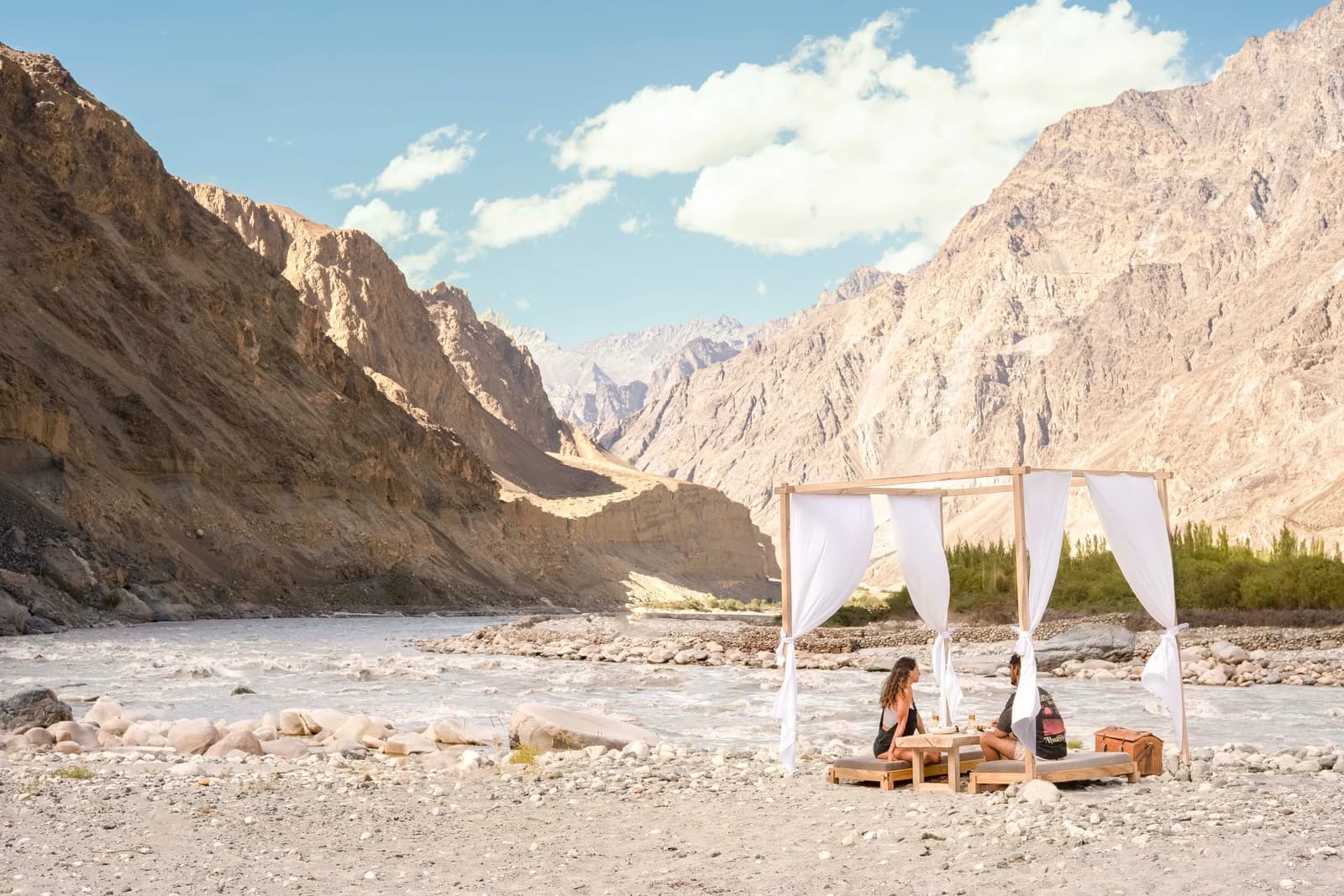
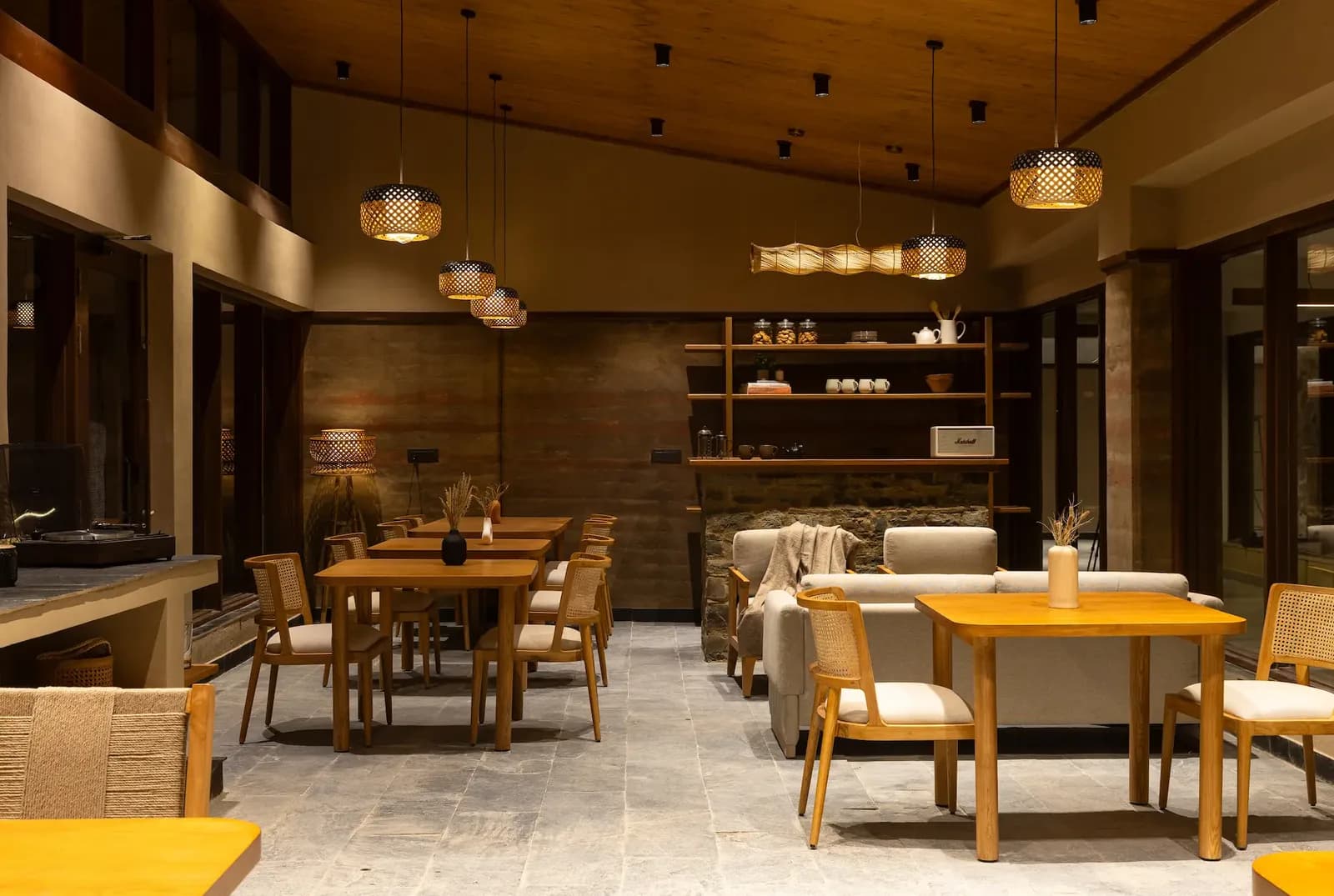
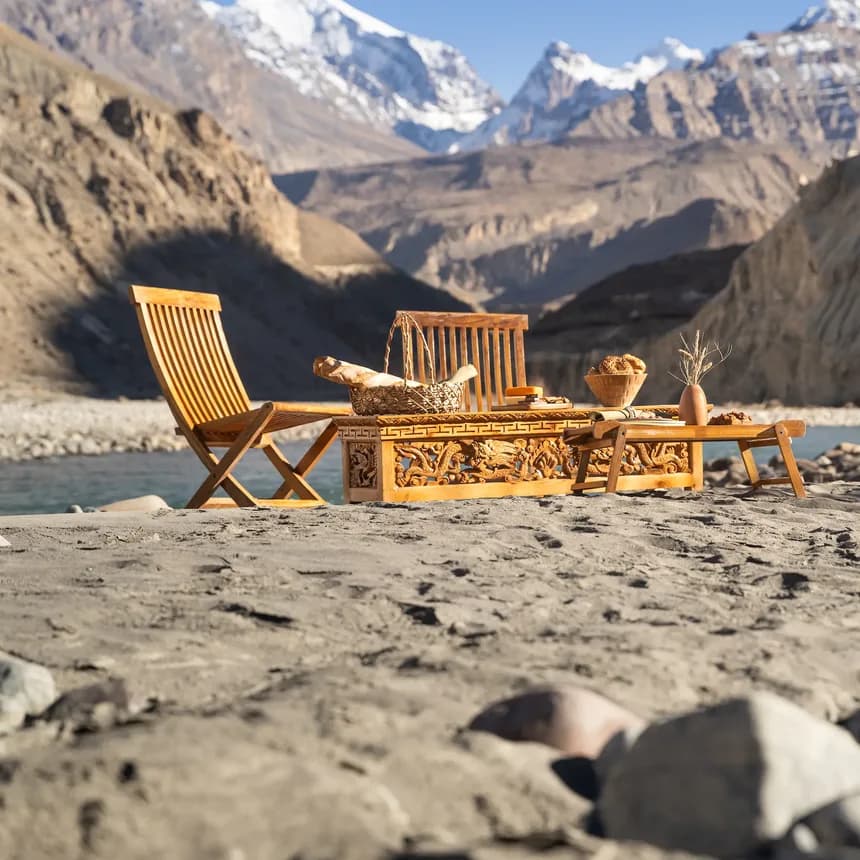
Meals at The Doksa follow the land and season. The food at Tshera, the restaurant, is prepared in-house using locally available produce, shaped by the climate and growing cycles rather than by menu variety. Dining is steady, nourishing, and unforced, in alignment with the valley's rhythm, rather than separate from it. A traditional lunch at a Spitian home, golden-hour walks with tea, and a curated picnic lunch can also be arranged, helping guests gain a better understanding of the land and its people.

Doksa Dining
The Doksa

Experience

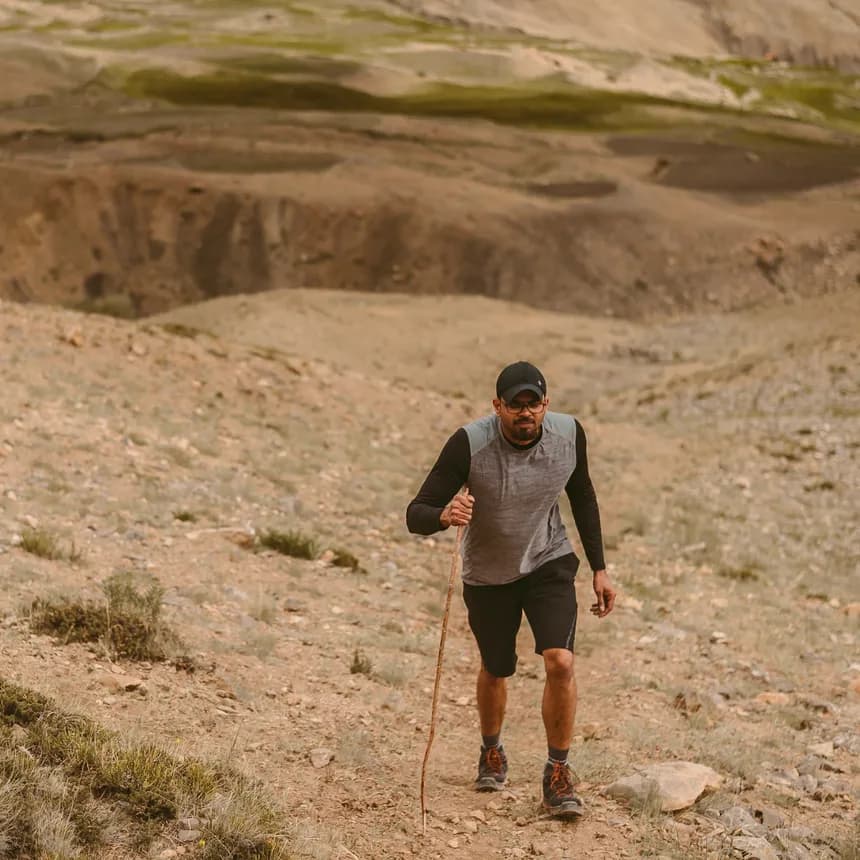
Life in Mane unfolds at an unhurried pace, best discovered on guided village walks that reveal traditional mud-brick homes, working fields, and conversations with residents rooted in Spiti’s rhythms. Short hikes trace gentle mountain trails with expansive valley views, while morning and evening walks—often paired with tea—bring guests closer to the shifting light and silence of the landscape.

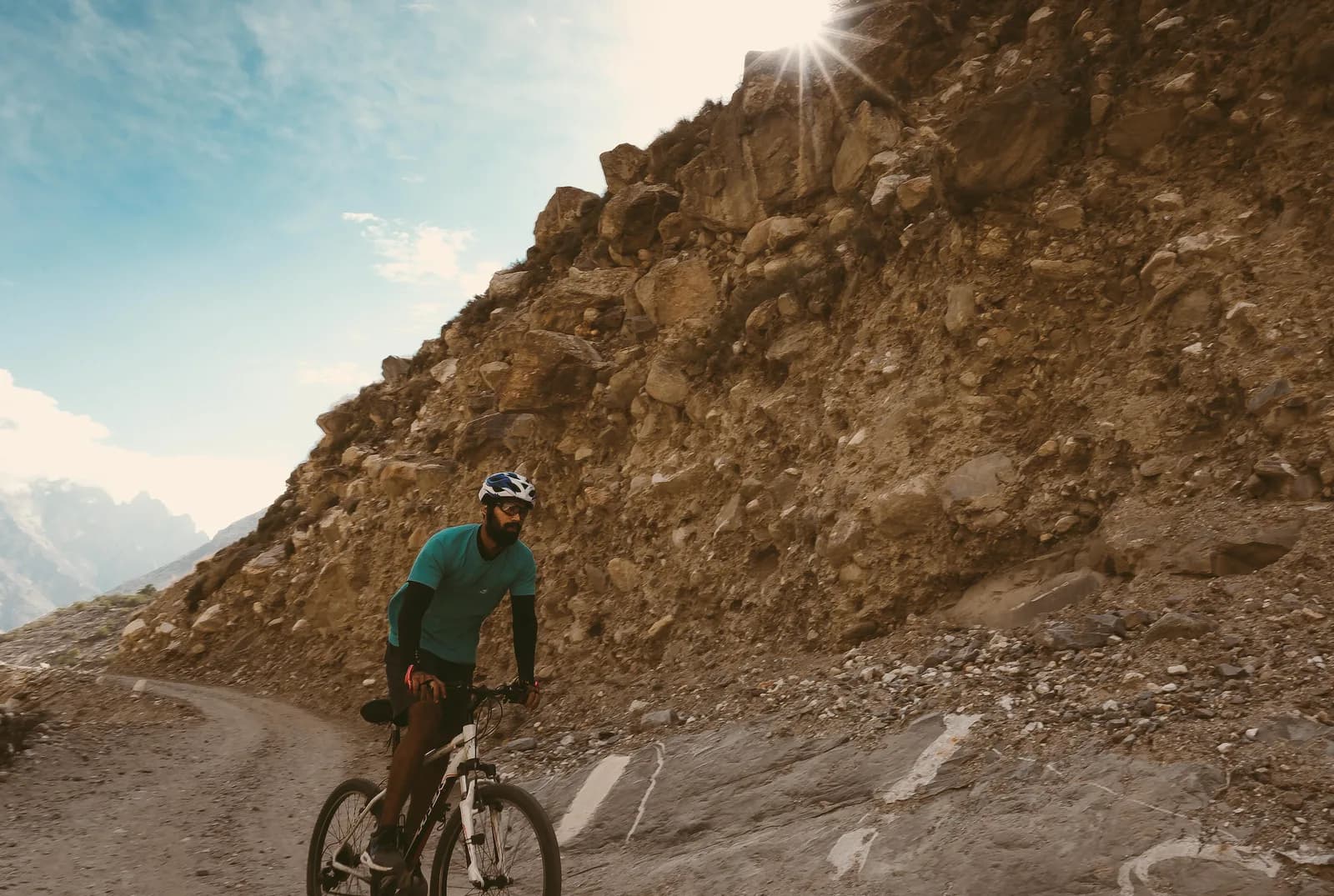
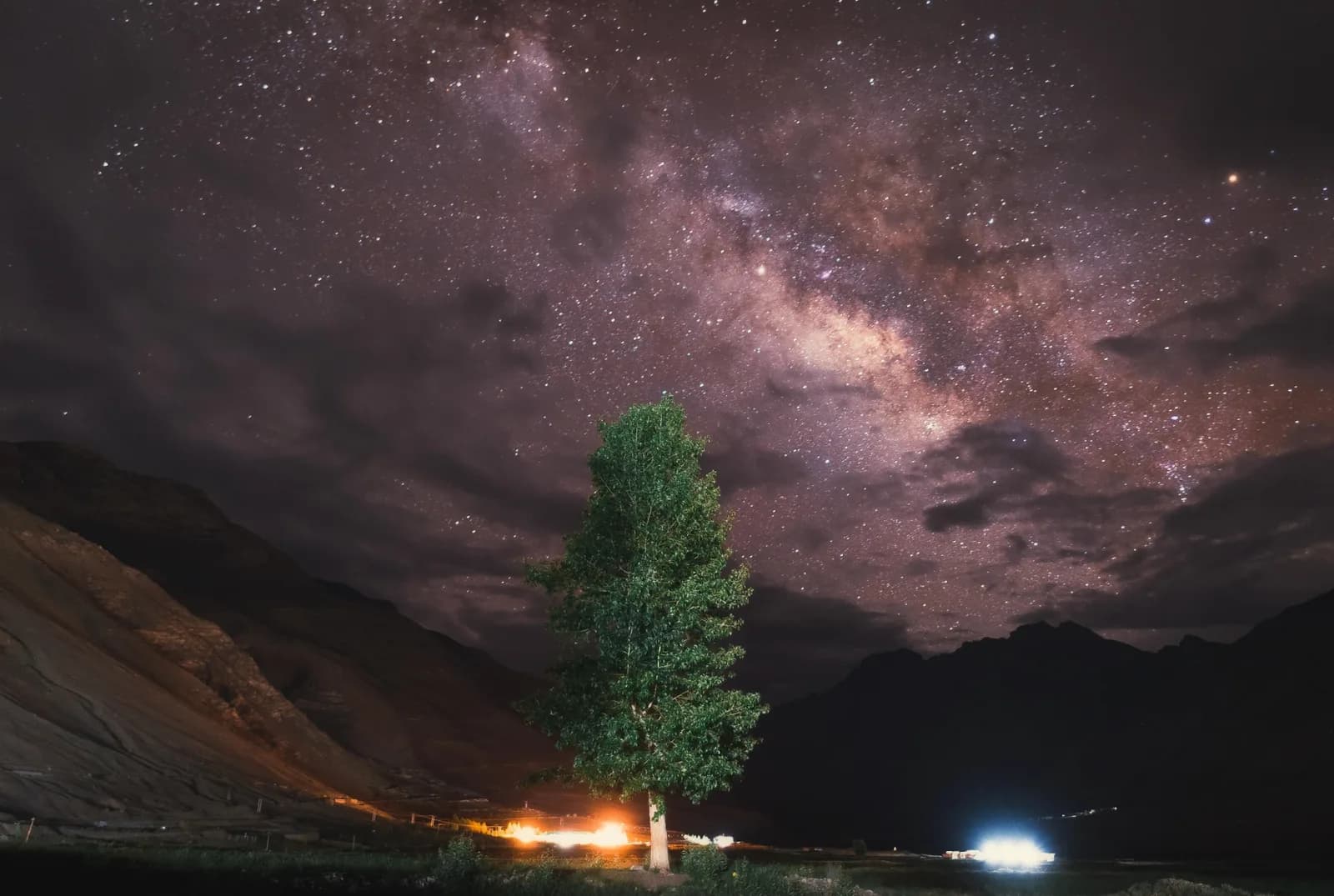
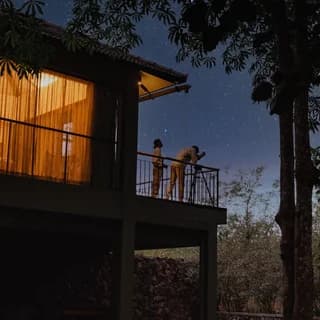
In August and September, pea and barley harvests transform the valley into bands of gold and green, offering insight into seasonal agrarian life. Clear skies make stargazing exceptional, with uninterrupted views of constellations and the Milky Way. Guests may cycle local paths, join relaxed art sessions inspired by the terrain, or participate in hands-on farming experiences.

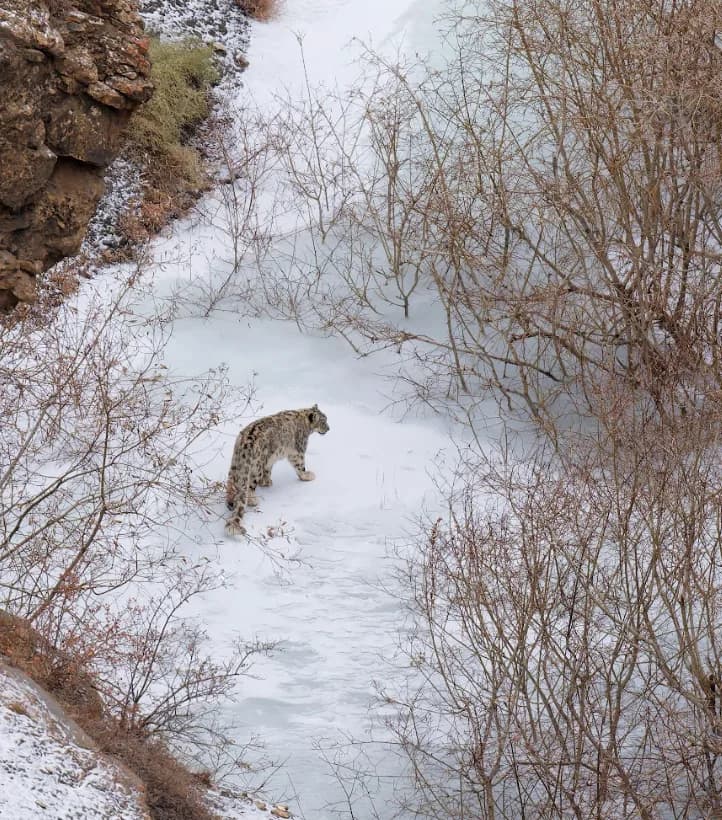
Extended adventures include guided wildlife explorations in search of snow leopards, blue sheep, and red foxes. Winter introduces ice climbing on frozen falls and scenic drives through snow-bound valleys and quiet Himalayan villages.

Village Walk
VILLAGE WALK
 Short Hikes
SHORT HIKES
Farm
FARM
Stargazing
STARGAZING
Cultural Tour
CULTURAL TOUR
Seasonal Outdoor Learning
SEASONAL OUTDOOR LEARNING
Wildlife-oriented journeys with guides
WILDLIFE-ORIENTED JOURNEYS WITH GUIDES

Explore Around

Ki Monastery

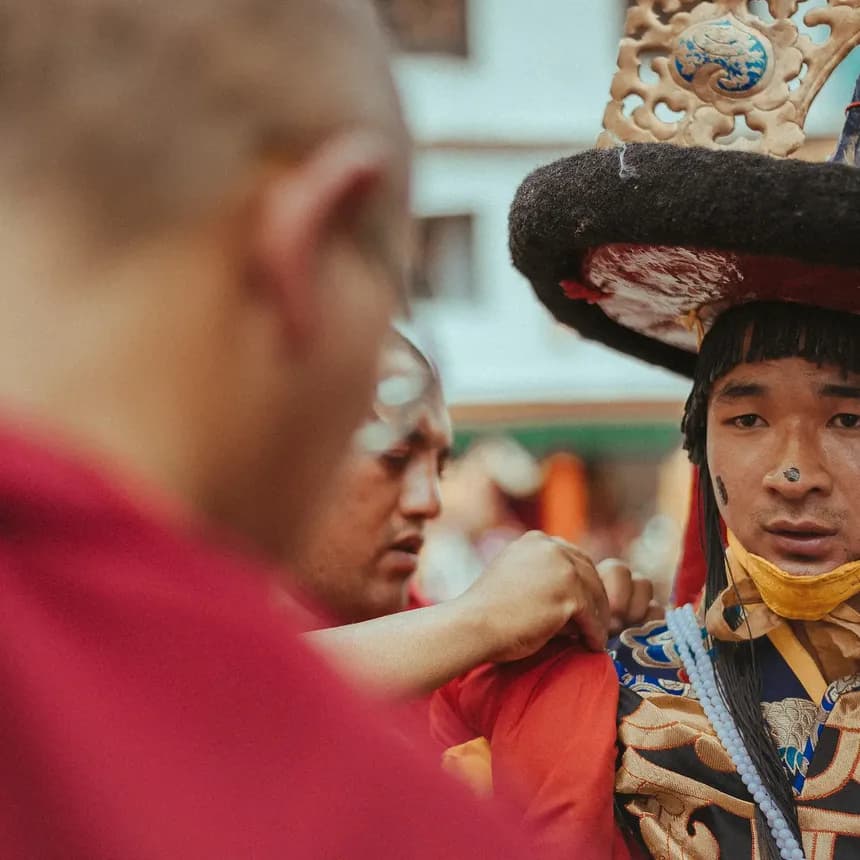
The largest monastery in Spiti, Ki (or Key) Monastery, sits above the Spiti River, its tiered whitewashed structures rising along the slope in a form shaped by centuries of rebuilding and expansion. Home to a resident monastic community, it serves as both a religious centre and a repository of manuscripts, thangkas, and ritual objects. The setting offers expansive views across the valley and insight into the living rhythm of monastic life.

Maney Village

Maney is a small agricultural settlement where life continues in close relationship with land, season, and climate. Fields, irrigation channels, and traditional homes reflect a way of living shaped by short growing cycles and long winters. Walking through the village offers a quiet understanding of everyday rhythms - farming, craft, and community - set within the larger stillness of the valley.

Spiti River Landscapes

The Spiti River cuts through the valley in a broad, shifting course, shaping its terrain and movement. Along its banks, wide gravel beds, changing light, and open views create a landscape defined more by scale than by feature. Short walks and pauses by the river allow time to observe the valley’s quieter textures - wind, water, and the gradual transitions of colour across the mountains.

Sustainable Tourism

Water Conservation

READ MORE
Read more

Biodiversity Conservation

READ MORE
Read more

Community Engagement

READ MORE
Read more

Energy Efficiency

READ MORE
Read more

Light Footprint Tourism

READ MORE
Read more

Join the circle

Join RARE circle for exclusive rewards and privileges at our stunning properties

Become a Member
The Times of India
Architectural Digest
Vogue
Lonely Planet
Travel+Leisure
Condé Nast Traveler
Forbes
The Telegraph
gINKgo

EXCLUSIVE Travel insights and special offers. no spam, just RARITY.

Tiger Mountain Pokhara LodgeKhem Villas, Ranthambore TR Kipling Camp, Kanha TRKayal Island RetreatKilla Bhawan, Jaisalmer Kipling Camp, Kanha TR