


Sustainability Story of Glenburn Tea Estate
Glenburn Tea Estate is a landscape of tea, forest, river, mountain air, and long hospitality memory. Its Pinwheel story is expansive, connecting estate life with worker welfare, biodiversity, heritage, food systems, waste management, and slow travel.
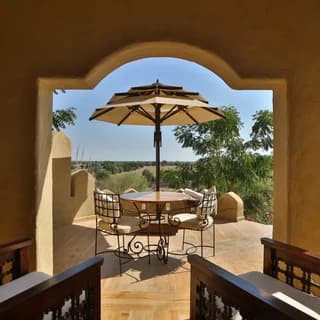
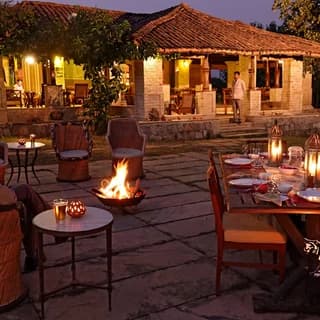
Rooms are bright, airy, and suited to the local climate, reducing the need for cooling appliances. At the river lodge and campsite, lamps are used instead of electricity, creating a lighter, quieter experience. Water recycling is in place, and watering holes are maintained for barking deer and other local animals.
Estate members receive subsidised rations, free medical treatment, clothing, and other benefits. Staff and community members are trained and upskilled, while Glenburn also supports workers and their families through healthcare, rations, education, village libraries, and the Glenburn Kalakendra, which sustains local Nepali traditions and children’s education.
Waste is managed through filtered water in glass bottles, minimised single-use plastic, bamboo toiletries, bottle refilling and recycling, paper packaging for soap, and adherence to Rainforest Alliance waste guidelines. Waste is separated, recycled, sold, reused, or composted.
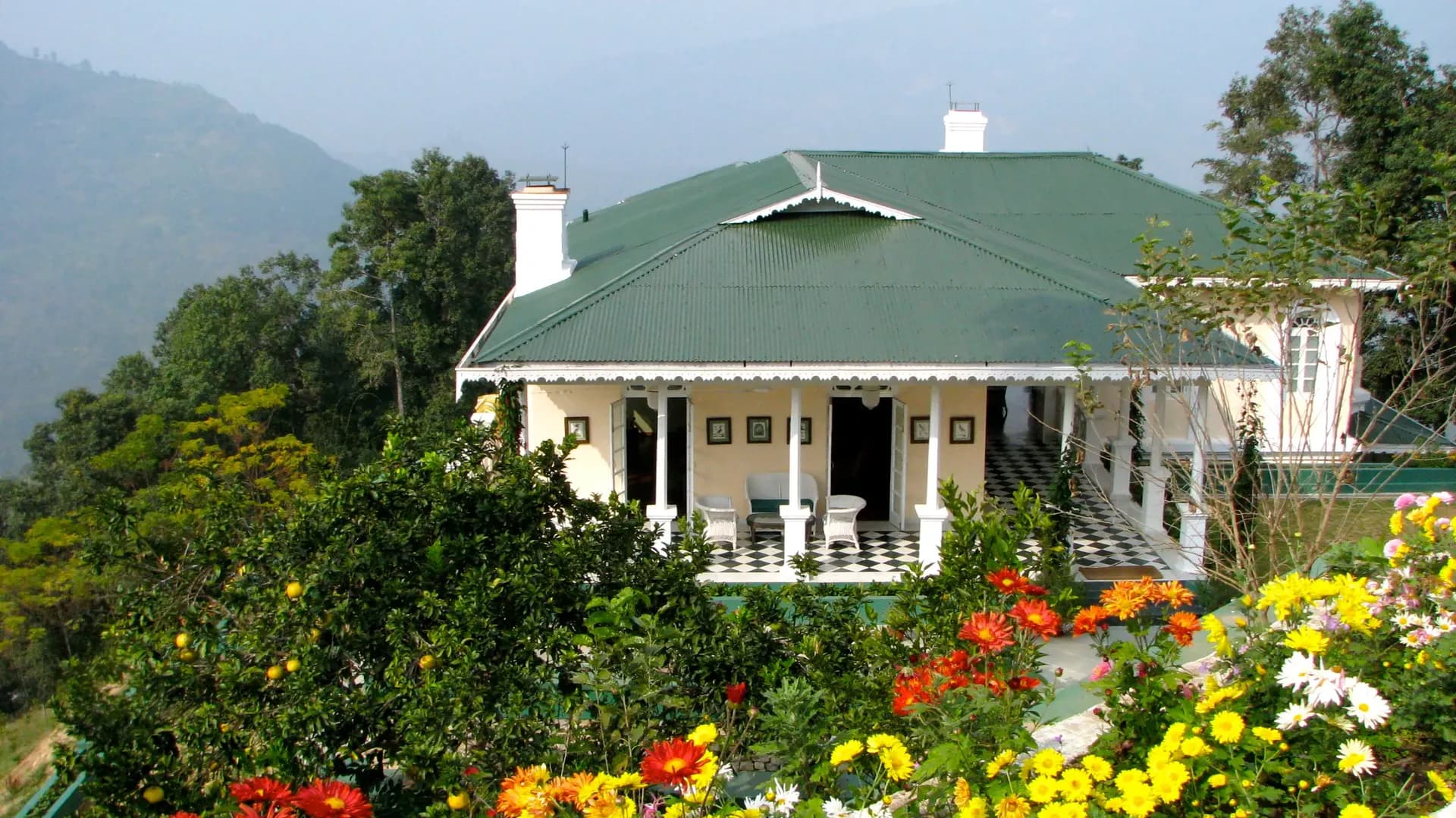
The original bungalow, over 100 years old, is preserved through sensitive maintenance, while the 1,600-acre estate includes private forest, tea fields, and two rivers. Glenburn supports sustainable farming, organic tea conversion, vermiculture, organic manure, herbal pesticides, bio-fungicides, soil rehabilitation, and a structured programme to preserve the endangered Golden Mahseer.
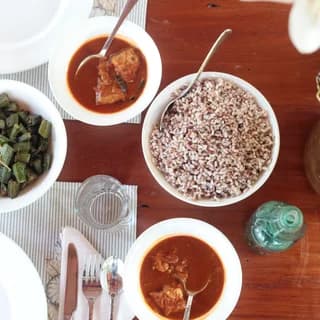
Estate walks, river picnics, local sourcing, organic gardens, seasonal produce, and traditional cuisine keep the guest experience rooted in place and low impact. The estate supports local villages, schools, libraries, children’s education, workers’ families, and the wider tea community.
Glenburn’s story is one of continuity. It is not simply a tea estate with rooms. It is a working landscape where hospitality, agriculture, community, and ecology remain meaningfully intertwined.











-320x320.webp&w=3840&q=75)

-320x320.webp&w=3840&q=75)