



Guest and Employee Wellbeing
Hospitality is often described through the language of comfort. A good bed, a warm meal, an attentive host, a room with a view, a fire lit at the right hour, tea arriving before one has entirely confessed the need for it. These are all pleasures, and not small ones.
But wellbeing, as understood by RARE, asks for something deeper than comfort.
Guest and Employee Wellbeing is one of the Touchstones because a hotel is not merely a place where travellers are looked after. It is also a place where people work, cook, clean, guide, garden, drive, repair, welcome, interpret, protect, remember, anticipate and carry the emotional labour of hospitality every day. A truly responsible hotel cannot care for the guest while neglecting the people who make that care possible.

This may sound obvious, yet it is one of the most important truths in hospitality.
For the guest, wellbeing begins with safety, trust and ease. Not indulgence for its own sake, but the quiet assurance that one is in good hands. It is the confidence that food is prepared with care, drinking water is safe, rooms are clean, local experiences are thoughtfully designed, guides are trained, drivers are responsible, information is honest, and the rhythms of the stay allow the traveller to relax without being disconnected from the place.
In wilderness lodges, wellbeing includes responsible briefings, trained naturalists, ethical wildlife practices and respect for terrain. In mountain retreats, it may include acclimatisation, weather awareness, warmth and preparedness. In heritage homes, it may mean sensitive restoration, fire safety, careful access through older structures and the protection of both guests and architecture. In remote places, it includes medical preparedness, local knowledge and the calm ability to respond when the unexpected occurs, as it sometimes does, because travel would be a duller thing if everything behaved entirely according to plan.
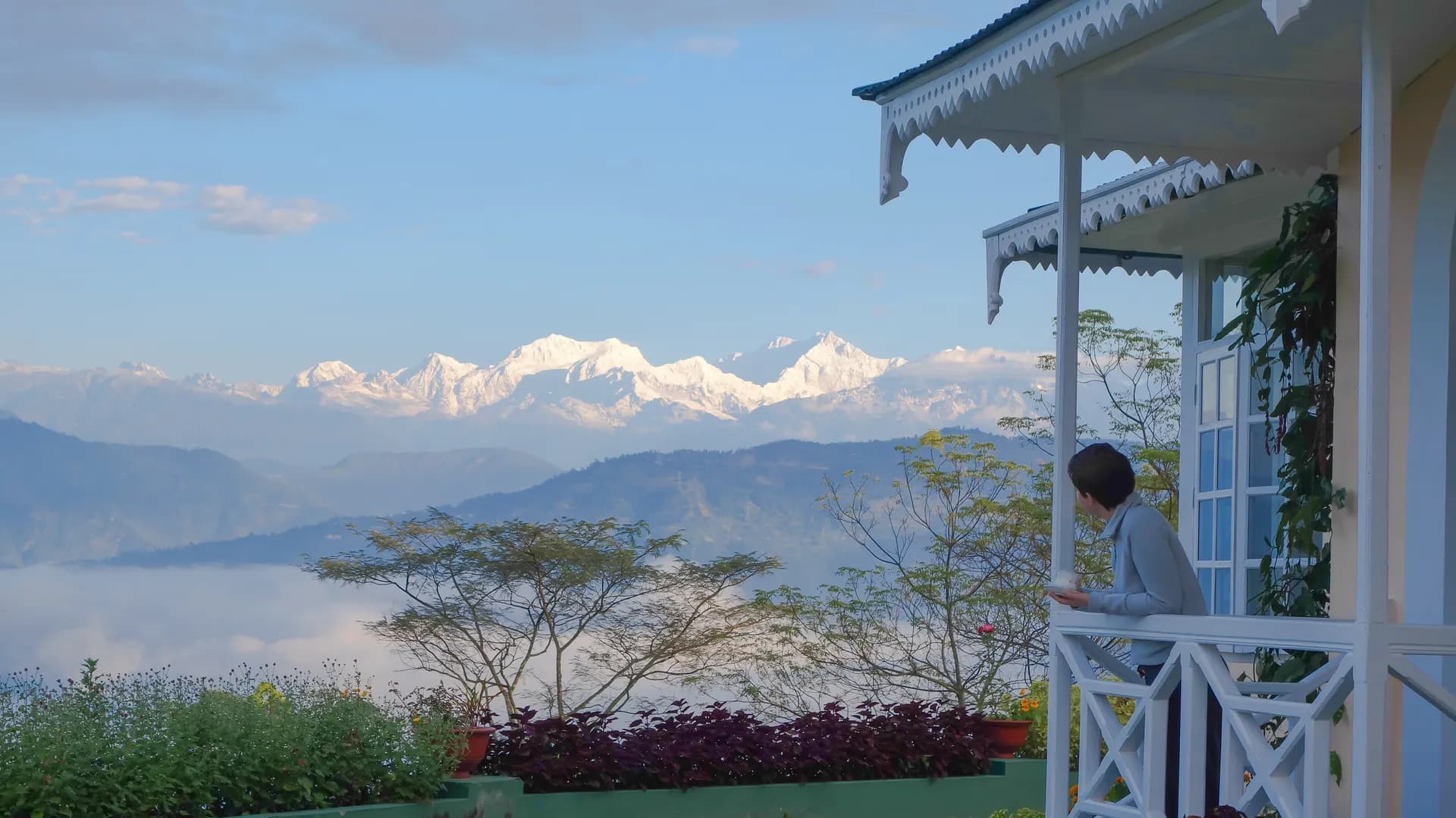
But guest wellbeing is also emotional. The best RARE hotels do not overwhelm the traveller with performance. They create space for attention. Slow breakfasts. Birdsong. Courtyards. A walk with someone who knows the village. A meal whose ingredients have not travelled farther than the guest. A room that feels held by its landscape. A host who knows when to speak, and when to let silence do the work.
Wellbeing is not always a spa menu. Sometimes it is simply the rare permission to arrive fully.
Employee wellbeing is the other half of this Touchstone, and perhaps the more revealing one. Hotels that are rooted in place must also be rooted in fair and dignified work. This includes safe working conditions, reasonable accommodation where staff live on site, access to training, respectful leadership, skill development, fair wages, gender sensitivity, health and safety protocols, and the creation of careers rather than merely jobs.
Many RARE hotels are located in smaller destinations where employment opportunities may otherwise be limited. When a local young person becomes a naturalist, a guide, a chef, a front office manager, a gardener, a housekeeper, a driver or a storyteller of their own region, the hotel becomes more than an employer. It becomes a bridge between local knowledge and professional possibility.
This is important because the human texture of a RARE stay is often its greatest distinction. Guests remember the person who pointed out the bird call, the cook who explained a family recipe, the driver who knew the old road, the guide who read the forest floor, the housekeeper who placed flowers without fuss, the owner who told a story as if it mattered because it did. These moments are possible only when the people behind them feel respected, trained and included in the purpose of the hotel.
Wellbeing also connects guest and employee in subtle ways. A tired team cannot create restorative hospitality. An unsafe workplace cannot produce genuine warmth. A hotel that extracts too much from its people will eventually offer guests a polished version of fatigue. Conversely, where staff feel valued, the atmosphere changes. Hospitality becomes less transactional, more instinctive. Care begins to circulate.
This is why Guest and Employee Wellbeing cannot be reduced to a checklist, though checklists have their place. It is a culture of responsibility. It lives in emergency protocols and in everyday courtesy. In first-aid kits and in listening. In training manuals and in how staff meals are served. In guest safety and in staff dignity. In the belief that no journey can be called meaningful if it is built on invisible exhaustion.
At RARE, this Touchstone reminds us that travel is always a relationship between people. The guest may come for the forest, the fort, the river, the mountain or the memory of a place they have long wished to see. But what makes the journey whole is the human framework around it: those who receive, guide, protect and interpret.
A hotel becomes responsible when care travels in both directions.
Towards the guest, with grace.
Towards the employee, with respect.
Towards the destination, with humility.
And towards the future of hospitality, with the understanding that true wellbeing is not an amenity. It is an ethic.










-320x320.webp&w=3840&q=75)


-320x320.webp&w=3840&q=75)