
RARE India
Fort Rampura

Fort Rampura, Rampura

12
Uttar Pradesh, India

The Ravine Retreat

Come to Bundelkhand’s Chambal ravines for a side of Uttar Pradesh that's largely undiscovered. The eight hundred-year-old Fort Rampura here is an intimate homestay and was once the private residence of the Bundelkhand rulers. A portion of the fort remains home to the direct descendants, who personally welcome guests and form an integral part of the Fort Rampura experience. A handful of restored rooms, intimate reading corners, home-cooked Bundelkhandi and Rajput meals, treasured family heirlooms, and an antique billiards table add to the home's warmth and story-rich appeal. Fort Rampura makes an excellent base for exploring feudal and country life, local craft traditions, and the untamed Chambal ravines.

Operational Period

Open 1st October till 30th April. Closed 1st May till 30th September.

From

INR 22,000 / Night

AC
AC
Credit Cards
Credit Cards
Driver Stay
Driver Stay
Parking
Parking
Pets
Pets
Wi-Fi
Wi-Fi
Inclusive
Inclusive
Bathware
Bathware

Your Stay at Fort Rampura, Rampura, Uttar Pradesh

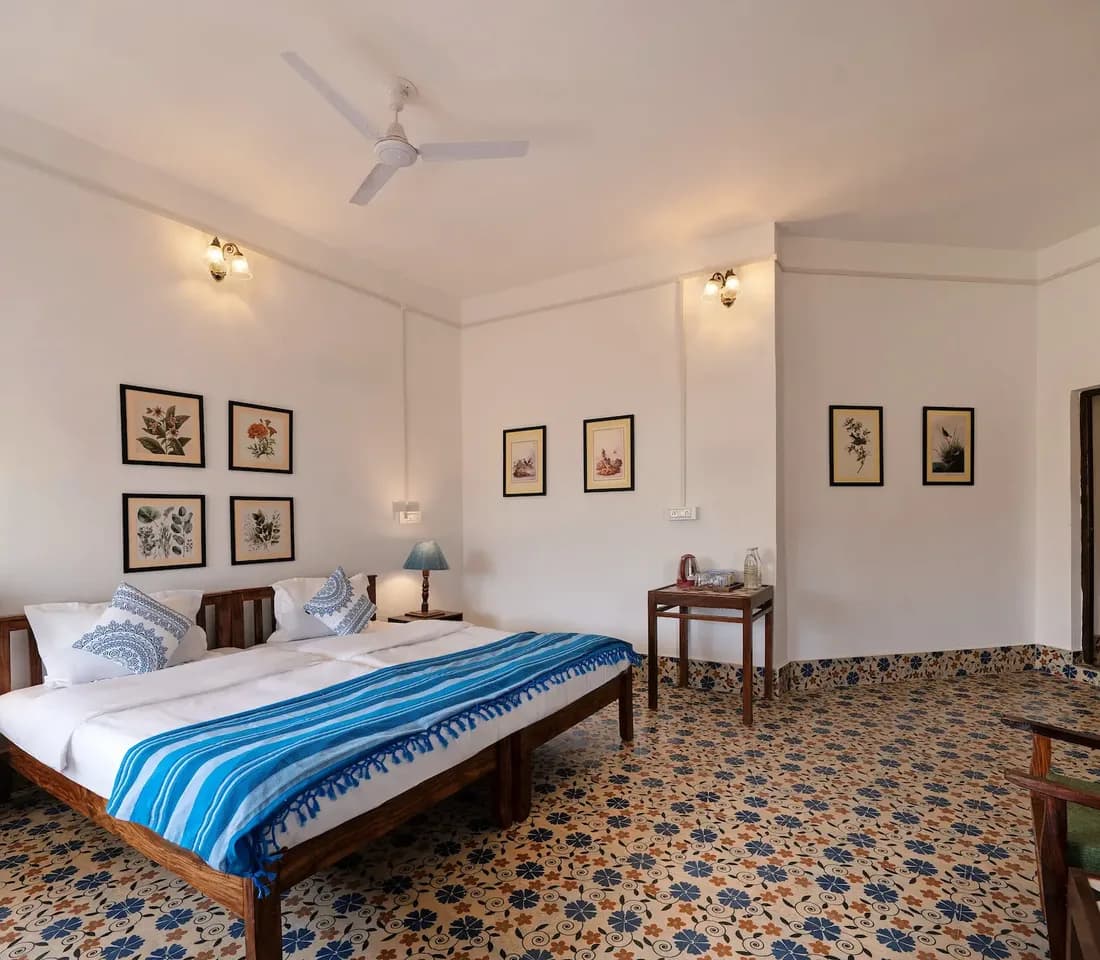
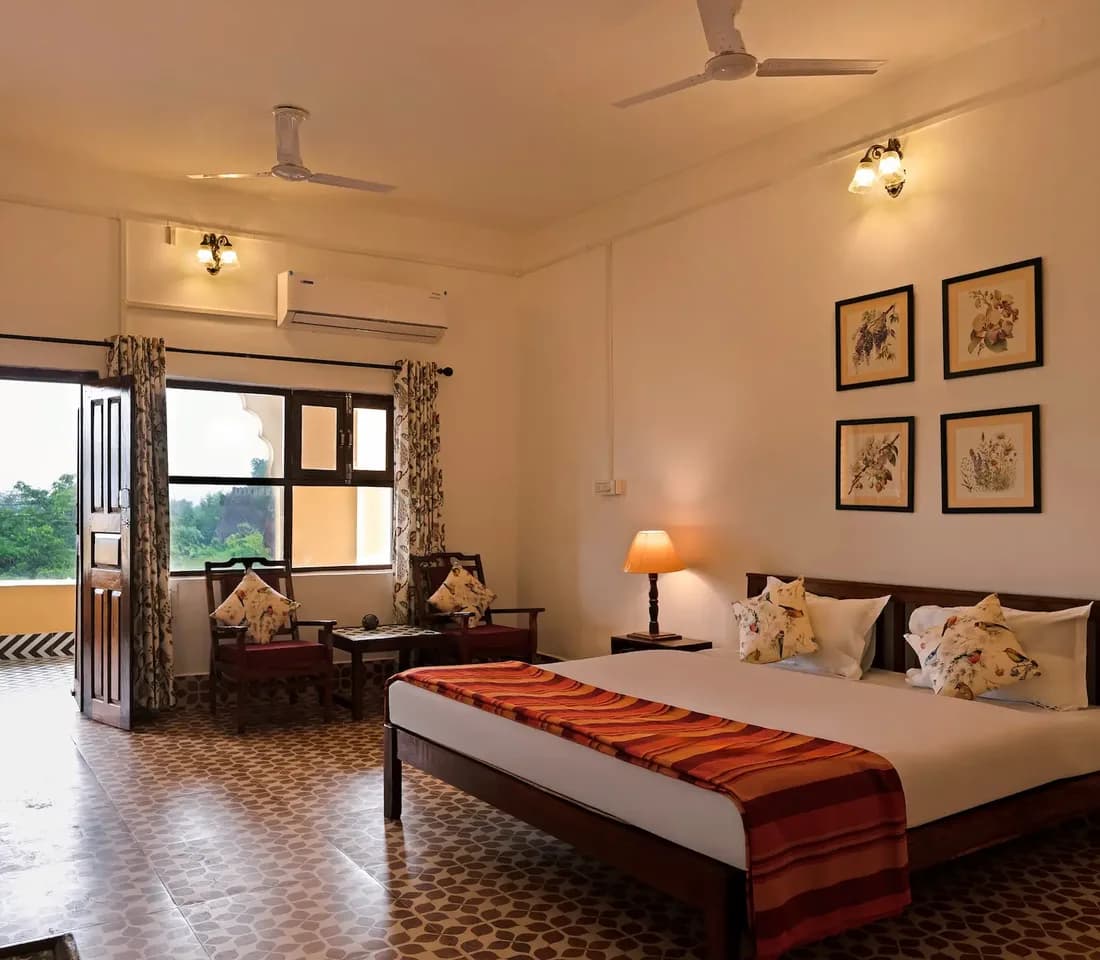
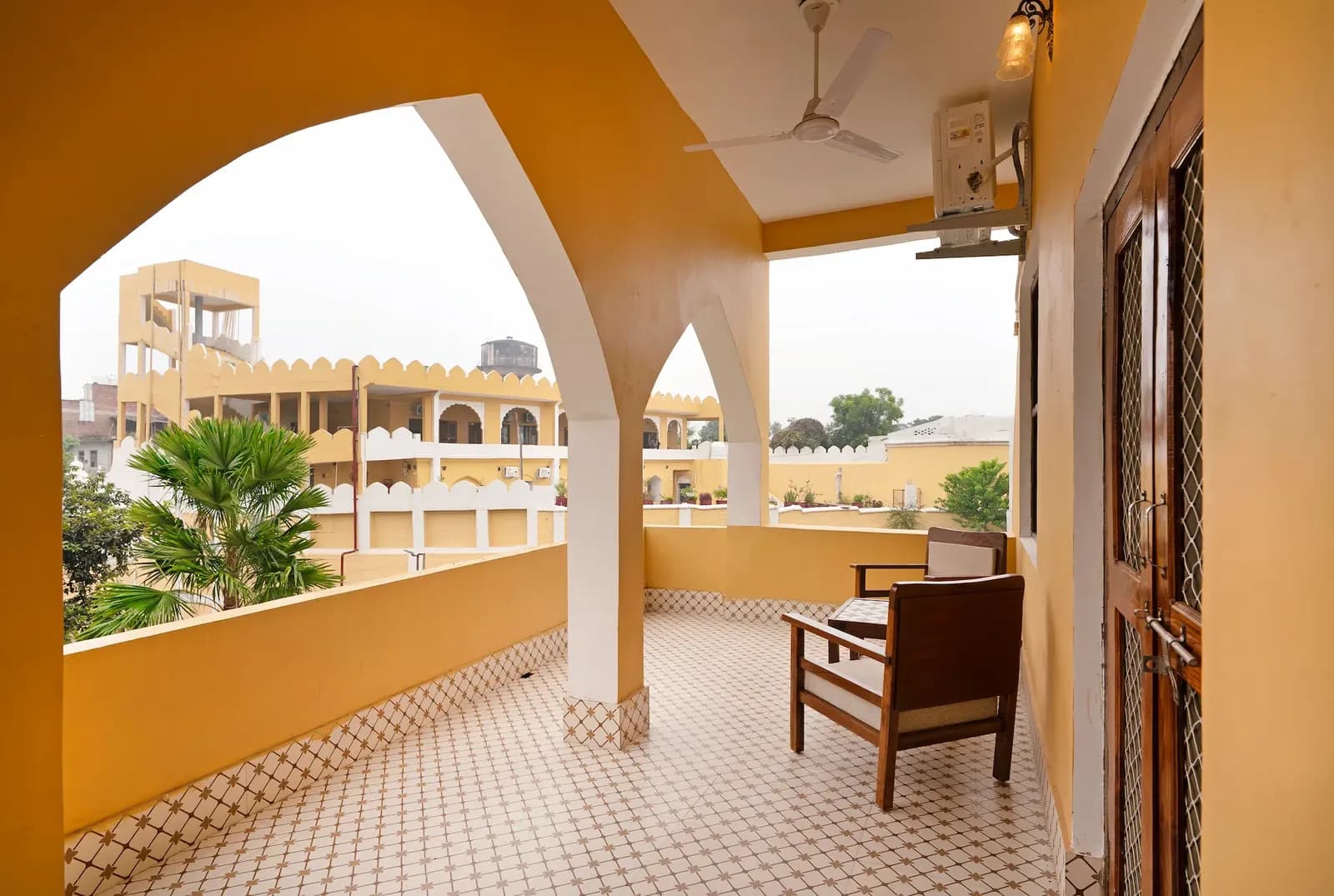
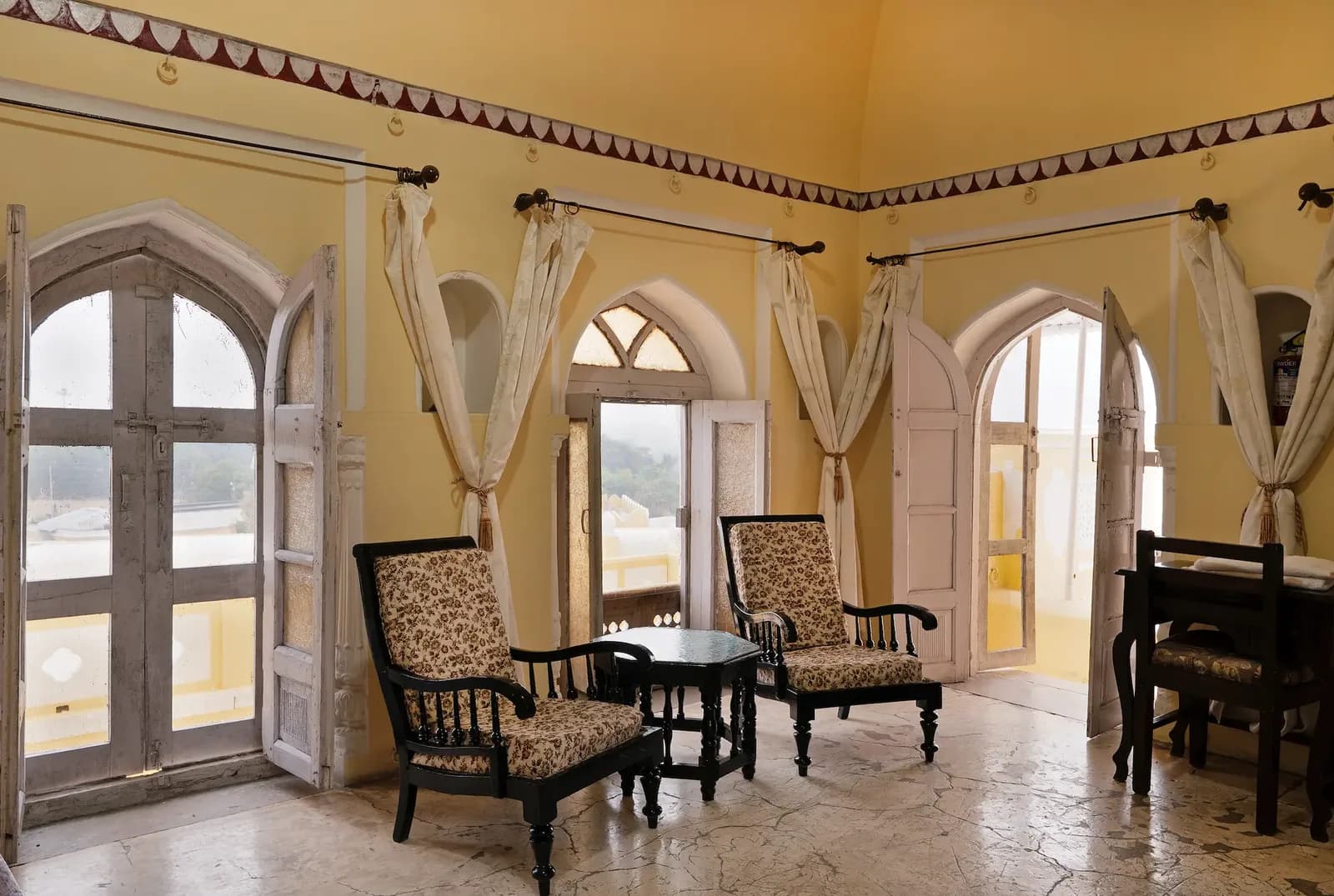
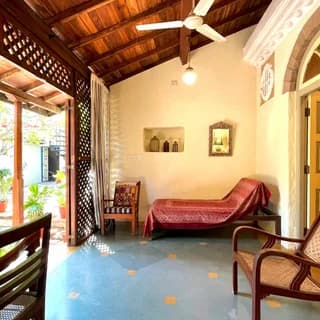
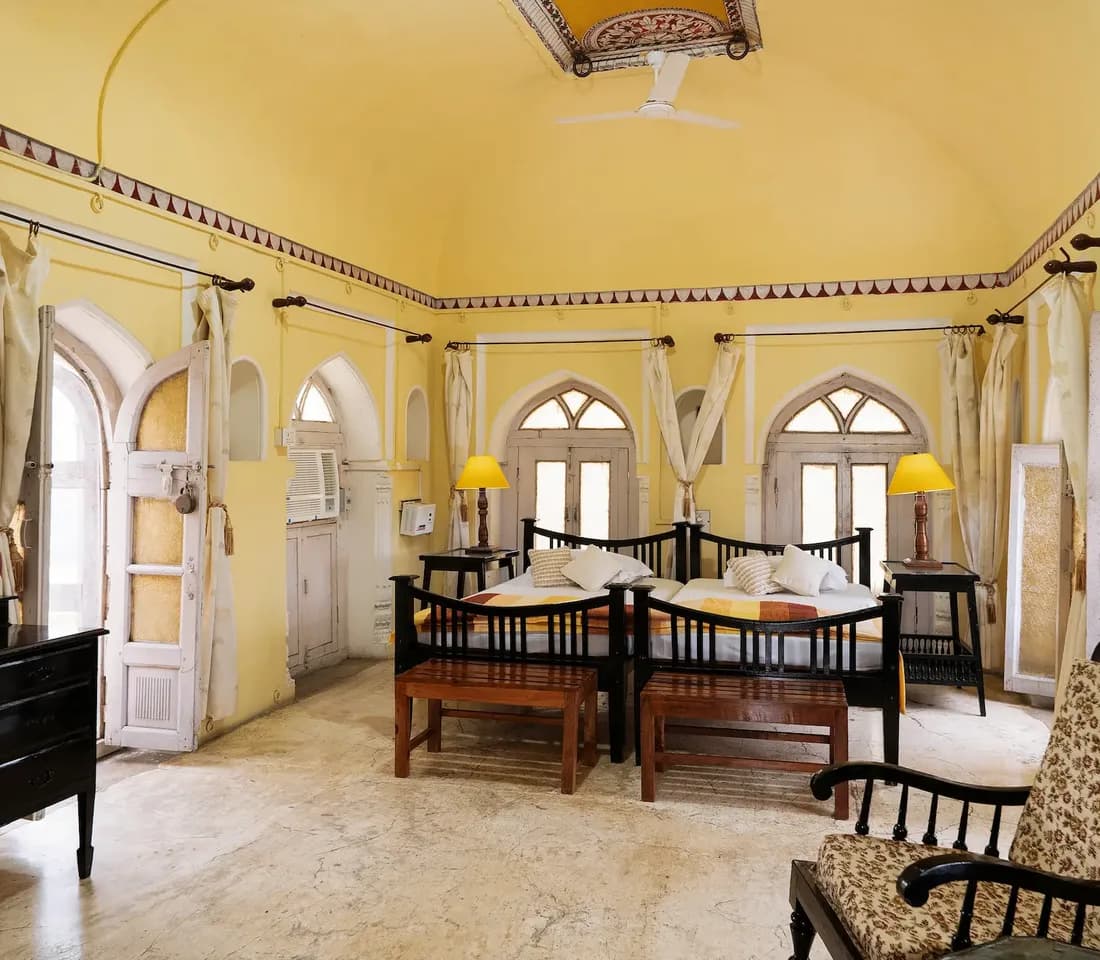
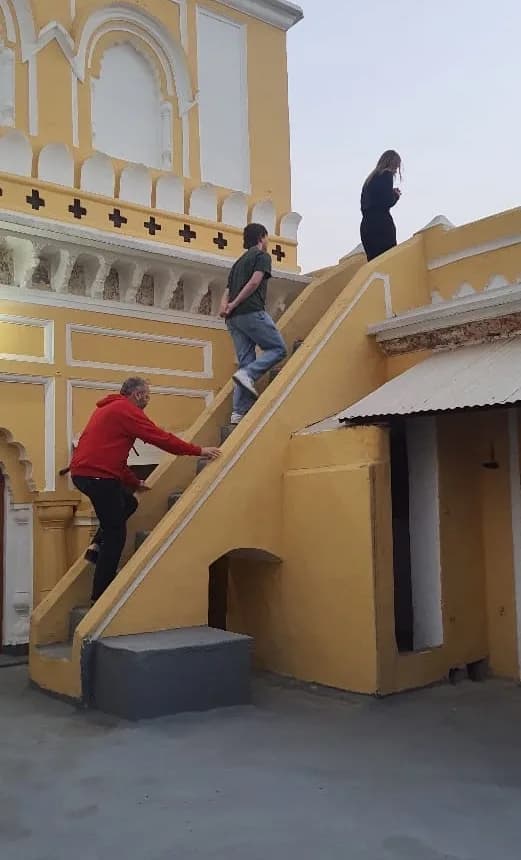
Rooms are grouped into two chambers, each carrying the memory of what it once was. The Elephant Chambers, or Hathi Ghar, open onto the fort's outer courtyard, close to the family's daily life, with more intimate, understated interiors. The Horse Chambers, or Ghudsaal, are restored from the fortress's original cavalry stables, retaining thick masonry walls and original layouts, and offer more expansive lodgings, with high ceilings, larger living areas, and elevated viewpoints over the fort grounds. In all, the fort complex holds ten rooms, six of them on twin-sharing, with two further rooms available within the family's private residence. The property's steep stone inclines, narrow staircases, and uneven historic steps may present navigation challenges for guests with limited mobility.

Palace Suite

Palace Suite

INR 30,000/ NIGHT

Haathi Ghar

Haathi Ghar

INR 22,000/ NIGHT

Ghudsaal room

Ghudsaal room

INR 22,000/ NIGHT

RARE India

Perfectly RARE

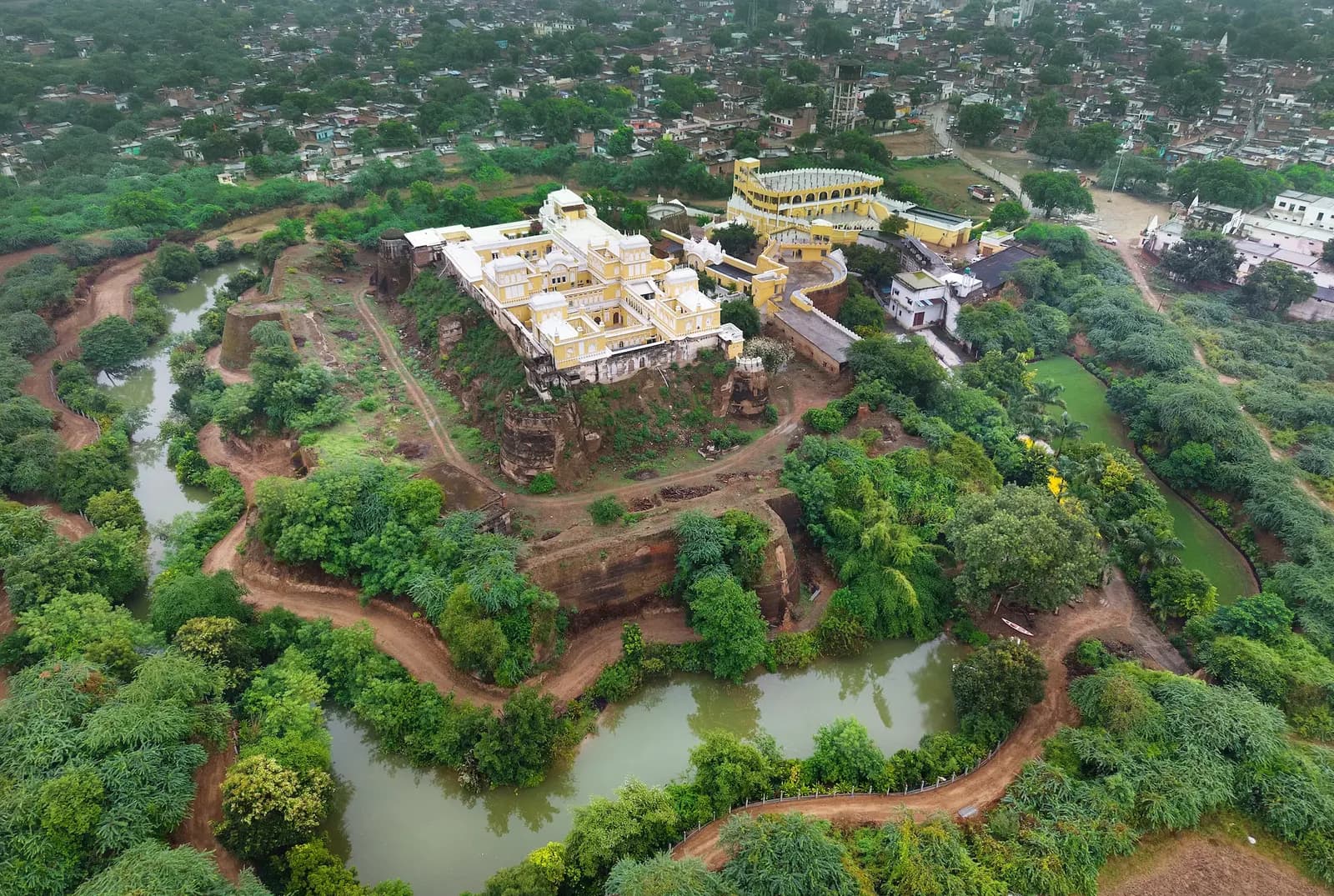
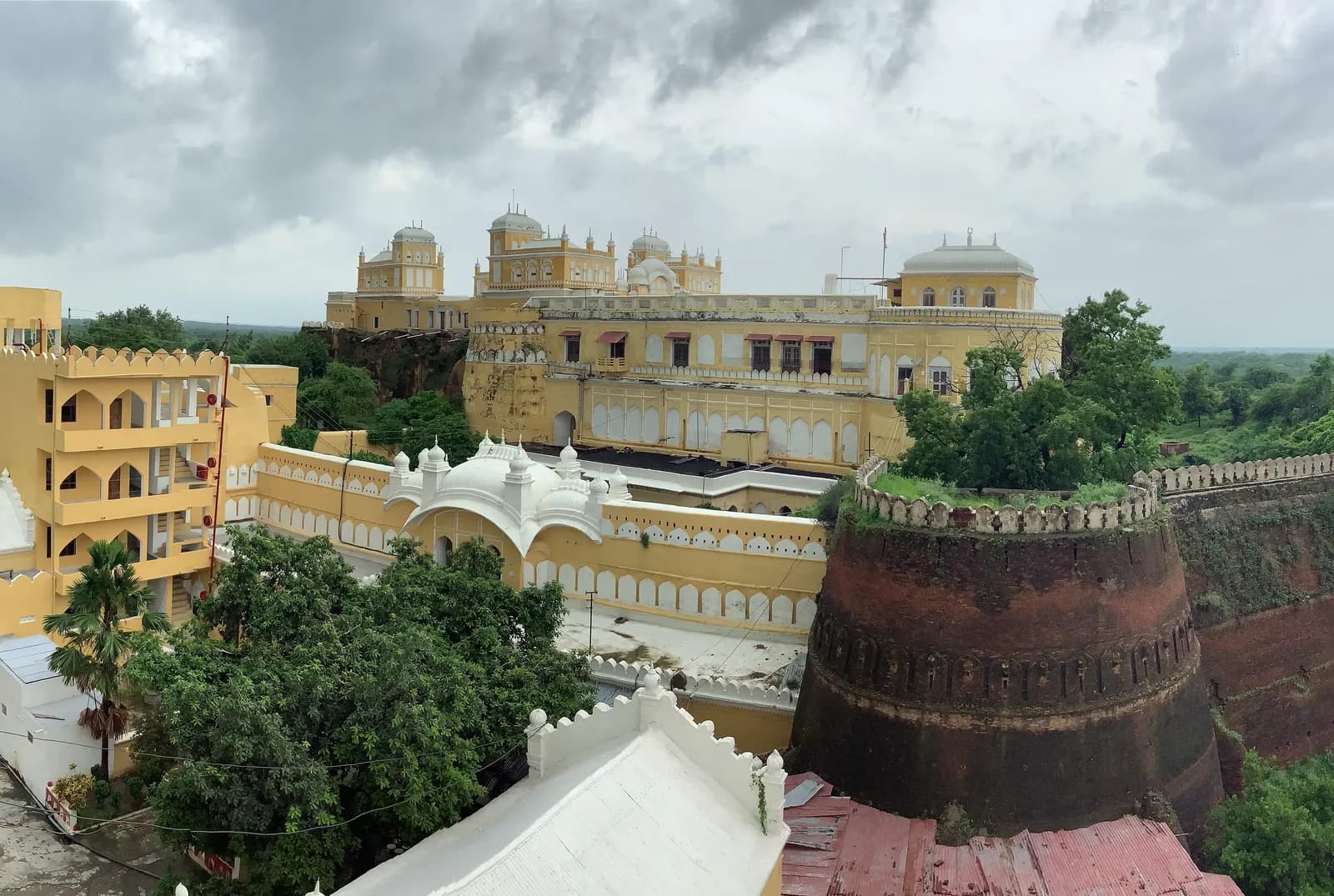
Few working forts of its kind remain open to guests. This is not a restored palace dressed up for tourism, but a once-fighting fort, still lived in by the family that built it and defended it for generations. Its setting deepens that sense of rarity: the wild, ravine-cut Chambal country, long associated with dacoits and now largely left alone, gives the fort a raw, undiscovered edge. The contrast between its rough defensive bones and the warmth of the family running it makes it feel part adventure, part homecoming.
Destination

Bundelkhand rarely makes it onto a first-time visitor’s map of India, and that is precisely its appeal. Spread across southern Uttar Pradesh and northern Madhya Pradesh, it is a land of rock, rugged plateau and ravine-cut countryside, dotted with forts that once guarded small kingdoms against rivals and larger empires. This is also the terrain that once sheltered the dacoits of Chambal's own folklore, wild, eroded badlands that kept outsiders away for generations.

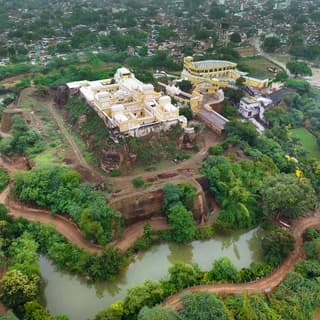
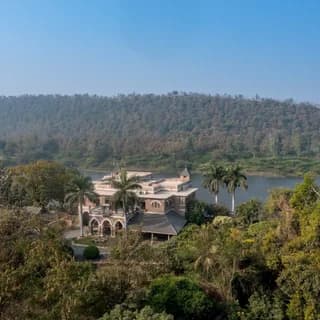
At the edge of this country, in Jalaun district, sits Rampura, a village named after the fort that rises above it. Built by Kachwaha Rajputs who moved here from Narwar, Fort Rampura - set deep in the Chambal ravines - has remained the family seat for nearly eight hundred years. Unlike many forts of its age, it was never abandoned or reduced to a monument. The same family still resides here, and the fort has held its ground through Bundelkhand’s unsettled history.

The nearest railhead is Orai, fifty-five kilometres away, and the closest airport is Kanpur, roughly a hundred and five kilometres out, with Gwalior, Jhansi, Agra and Lucknow all a comfortable drive away. Rampura works well as a base for exploring the wider region, from smaller forts scattered across Bundelkhand to Pachnada, where five significant rivers meet.

Fort Rampura
Fort Rampura Design

Design & Concept

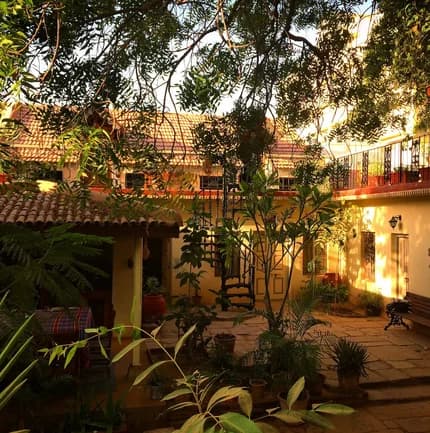
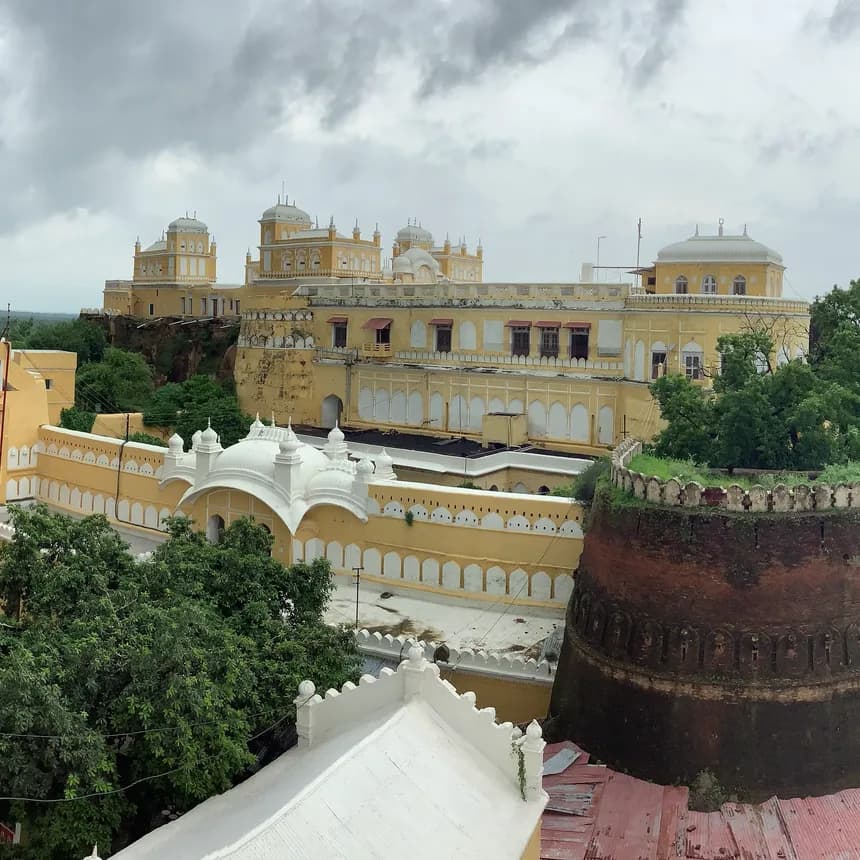
Fort Rampura was raised as a fighting fort more than eight hundred years ago, and its architecture still carries that intent. Crenellated walls and a moat once ringed the structure to keep intruders out, and the building rises in a split level across four storeys, built of brick and limestone mortar over some ten acres. It was only in later generations that the fort was made liveable, as zenana enclosures, stables, granaries, godowns and temples were folded into what had been a purely defensive structure. That layered history is still legible today: thick stone walls that keep the interiors naturally cool, high ceilings, and openings positioned less for symmetry than for vantage. Restoration here has been deliberately restrained: comfort has been added where needed, but nothing has been done to soften the fort's working bones.

Know Your Host

Padmini and Keshavendra Singh are the fifteenth generation to run this 800-year-old fortress home. Keshavendra is the son of Raja Samar Singh and traces his lineage back over nine hundred years to the Kachwaha Rajputs of Narwar. Known as Keshu, he chose to return home and restore the fort into a working homestay. Keshu guides visits to the fort, orchard, Rampura Village and its markets. Padmini pays special attention to the kitchen and loves sharing family recipes, sometimes through an impromptu cooking session. The couple often join guests for meals and evenings in the courtyard and love sharing stories of the fort and the Chambal.

Fort Rampura
Fort Rampura

Facilities

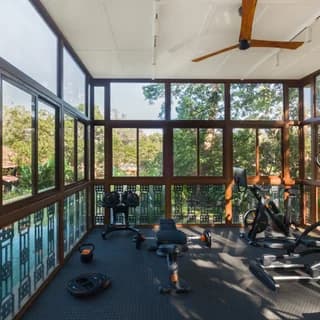
Comfort at Fort Rampura has been kept deliberately simple, in keeping with the heritage structure. Rooms are fitted with air conditioners and running hot and cold water, along with a tea and coffee caddy, and bed warmers are available on request. The property runs on solar power, backed by a generator for continuity. There are no televisions in the rooms and Wi-Fi is available in the common areas. 

Experiences

At Fort Rampura, the day is yours to fill or leave empty. The heritage walk with Keshu is where the fort actually reveals itself, corridors and vantage points that make more sense once he explains what they were built to do, and it turns what could be a static building tour into something closer to family history. 

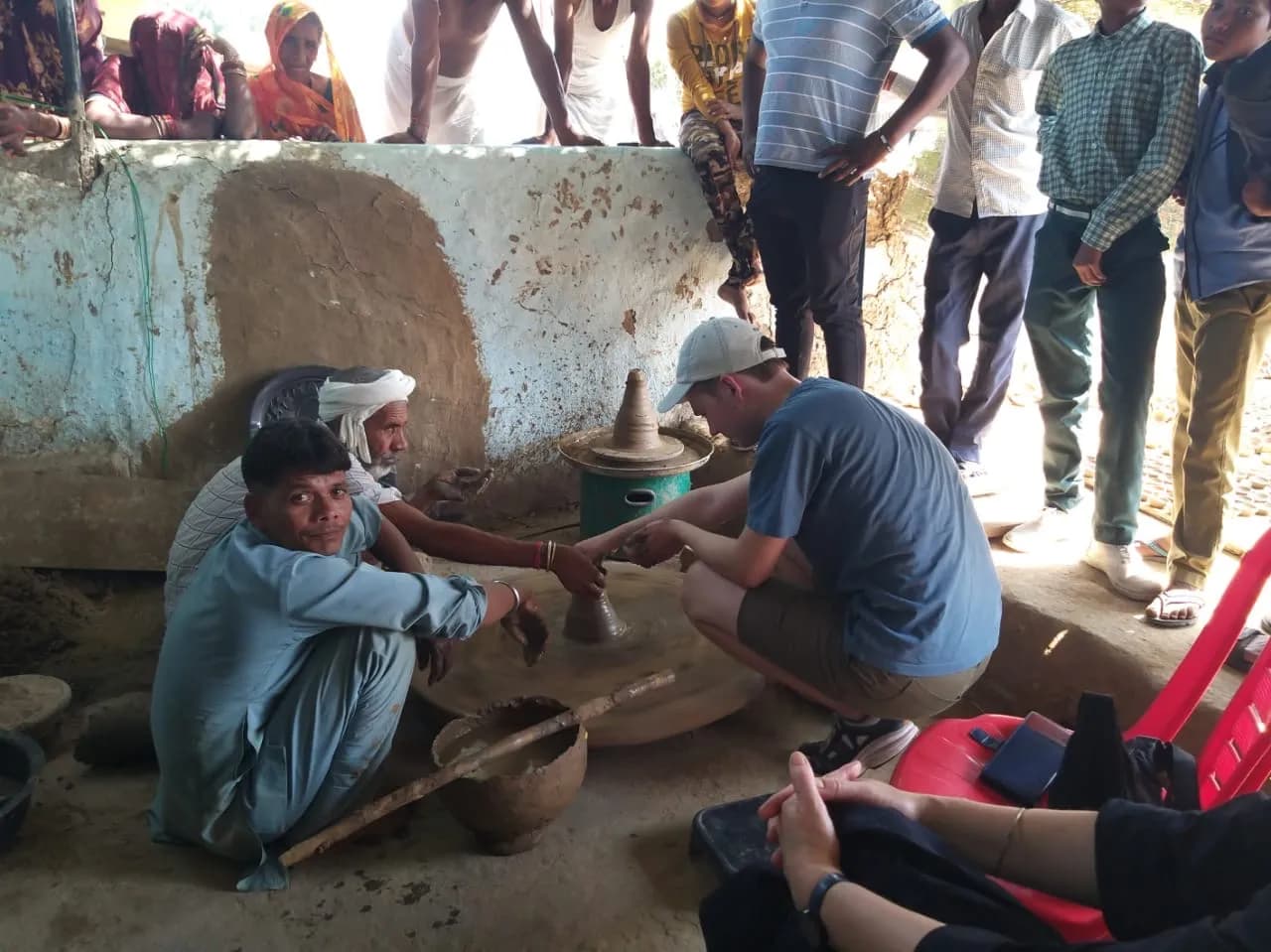
The village-facing experiences, pottery, jaggery-making, the walks through bazaars and farms have the same effect: they're small, hands-on, and clearly rooted in what the region actually does rather than staged for guests. The Chambal ravines carry their old reputation for dacoits, and that history adds a certain charge to walking through them now that they've gone quiet. 

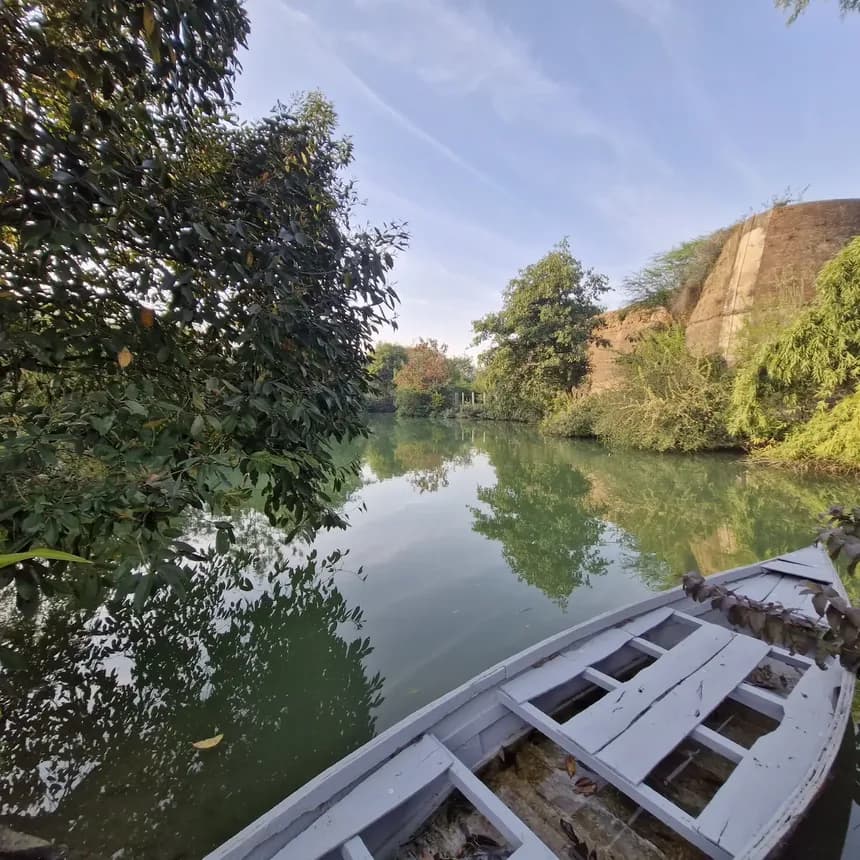
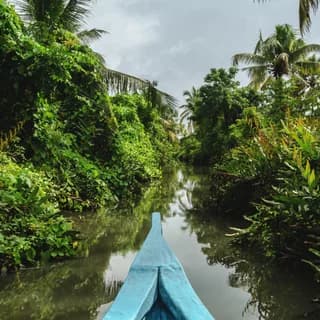
Further out, a picnic can be arranged at nearby forts or along the Chambal River at Sahson, where gharials, crocodiles and freshwater dolphins are often spotted, or as a day trip to the Etawah Lion Safari or to Kannauj to see traditional attar-making. Boat rides on the Yamuna, cycling or driving through the ravines and farmland, and evenings around the bonfire under clear, unpolluted skies round out the stay, along with a library and quiet corners for guests who'd rather do very little at all. 

Fort Rampura Experiences
Fort Rampura

Dining

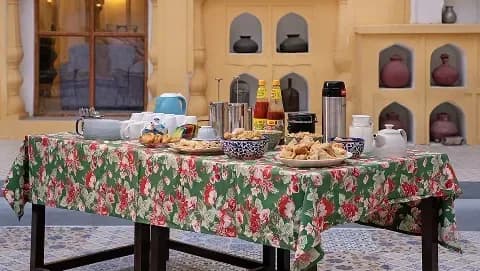
Meals at Fort Rampura highlight its Bundelkhandi character, drawing on recipes the family has held onto for over a hundred years. Cooked largely around what guests are in the mood for, lunch and dinner are worth lingering over, laid out together in the large dining hall as a home-style spread built around whatever the day calls for. Breakfast is more informal, with toast, jams and honey, or something closer to home like poha or upma. The best of it, though, is joining Padmini in the kitchen beforehand and watching a dish come together the way it has in this family for generations.

Birding
BIRDING
Boating
BOATING
Cultural Tour
CULTURAL TOUR
Fishing
FISHING
Heritage Walk
HERITAGE WALK
Indian Pottery
INDIAN POTTERY
Indoor Games
INDOOR GAMES
Nature Walk
NATURE WALK
Picnic
PICNIC
Performing Arts
PERFORMING ARTS
Village Walk
VILLAGE WALK

Explore Around

Panchnada

Witness the unique confluence of five rivers - Yamuna, Chambal, Sindh, Pahuj, and Kunwari. Best seen early morning or at dusk, when the light sits low over the water and the boats are out.

Jagmanpur Palace

A worthwhile heritage excursion from the fort, adding another layer of local royal history and architecture.

Rampura Town, Village and Ravine Walks

Best explored on foot, first through the village and then into the ravines beyond. It is an easy way to see how everyday life and wild country sit alongside each other.

Sustainable Tourism

Water Conservation
Responsible Waste Management
Energy Efficiency
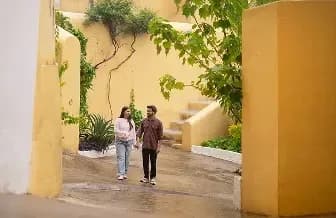
Biodiversity Conservation
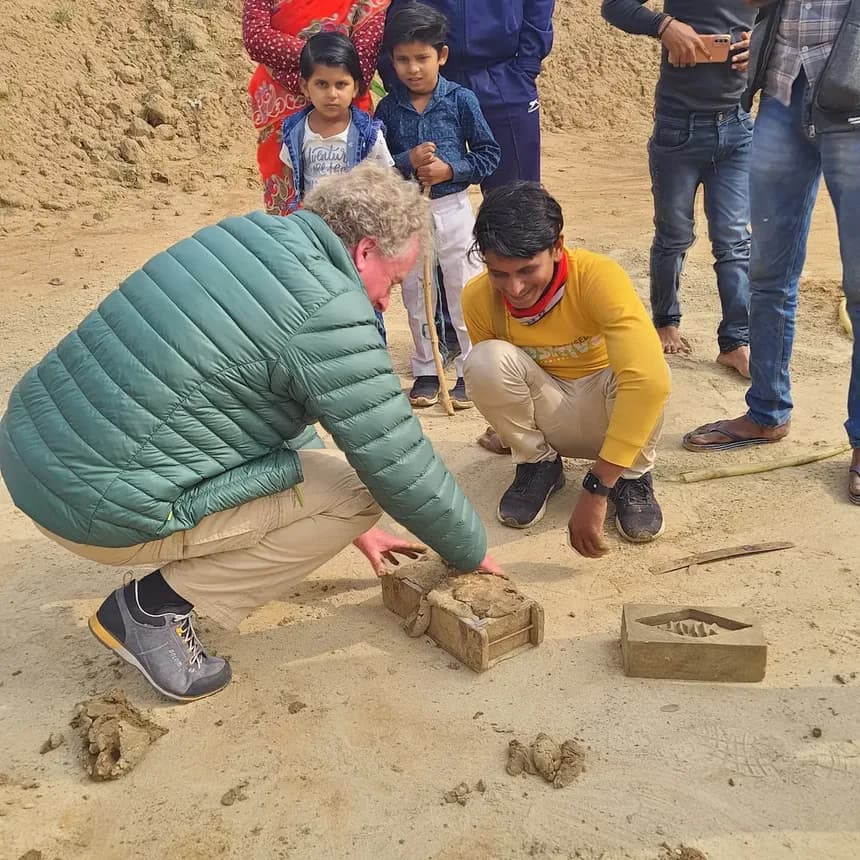
Community Engagement
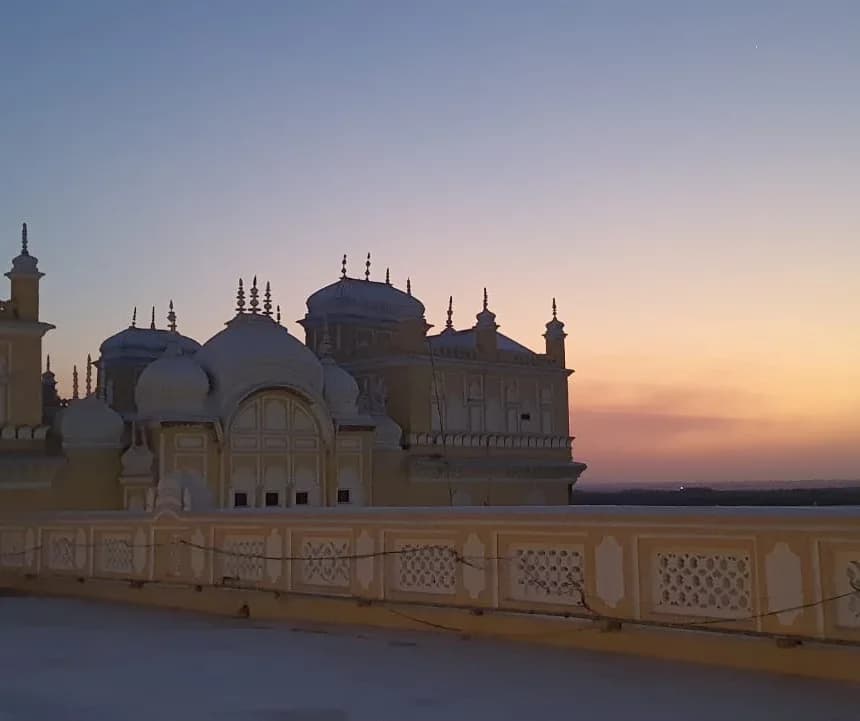
Light Footprint Tourism
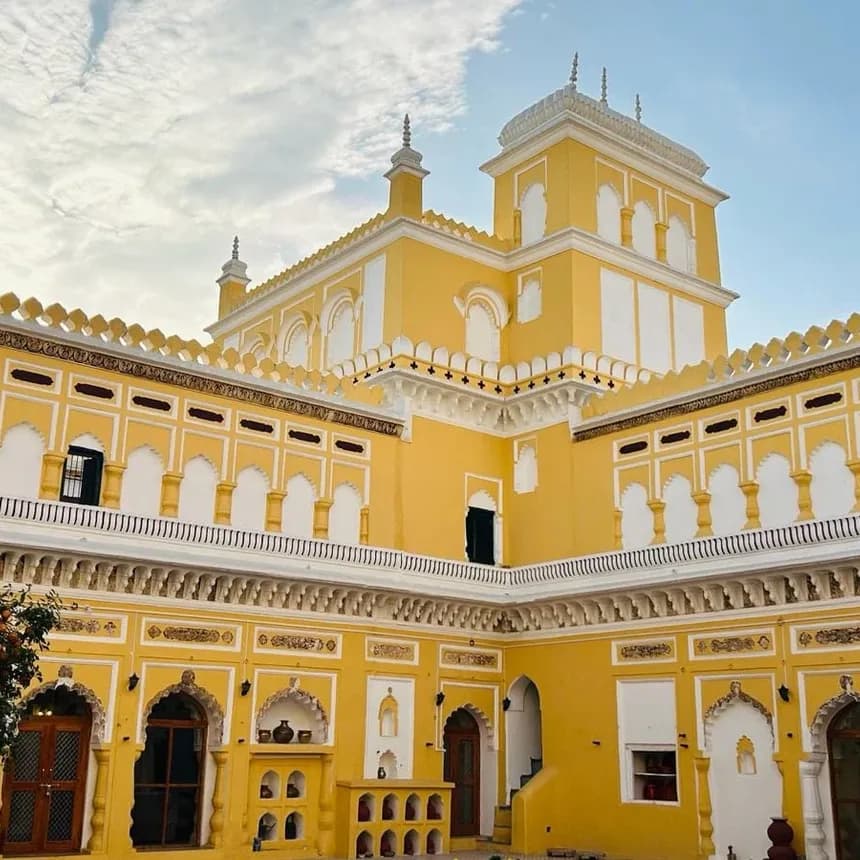
Heritage Preservation
Human Touch

Join the circle

Join RARE circle for exclusive rewards and privileges at our stunning properties

Become a Member
The Times of India
Architectural Digest
Vogue
Lonely Planet
Travel+Leisure
Condé Nast Traveler
Forbes
The Telegraph
gINKgo

EXCLUSIVE Travel insights and special offers. no spam, just RARITY.
Mihir Garh, Near Jodhpur7 Doors HouseSanctuary Chitwan National ParkPrem Kunj, UdaipurThe Sarai at Toria, Near KhajurahoRann Riders, Dasada