

Sustainability Story of Ramathra Fort
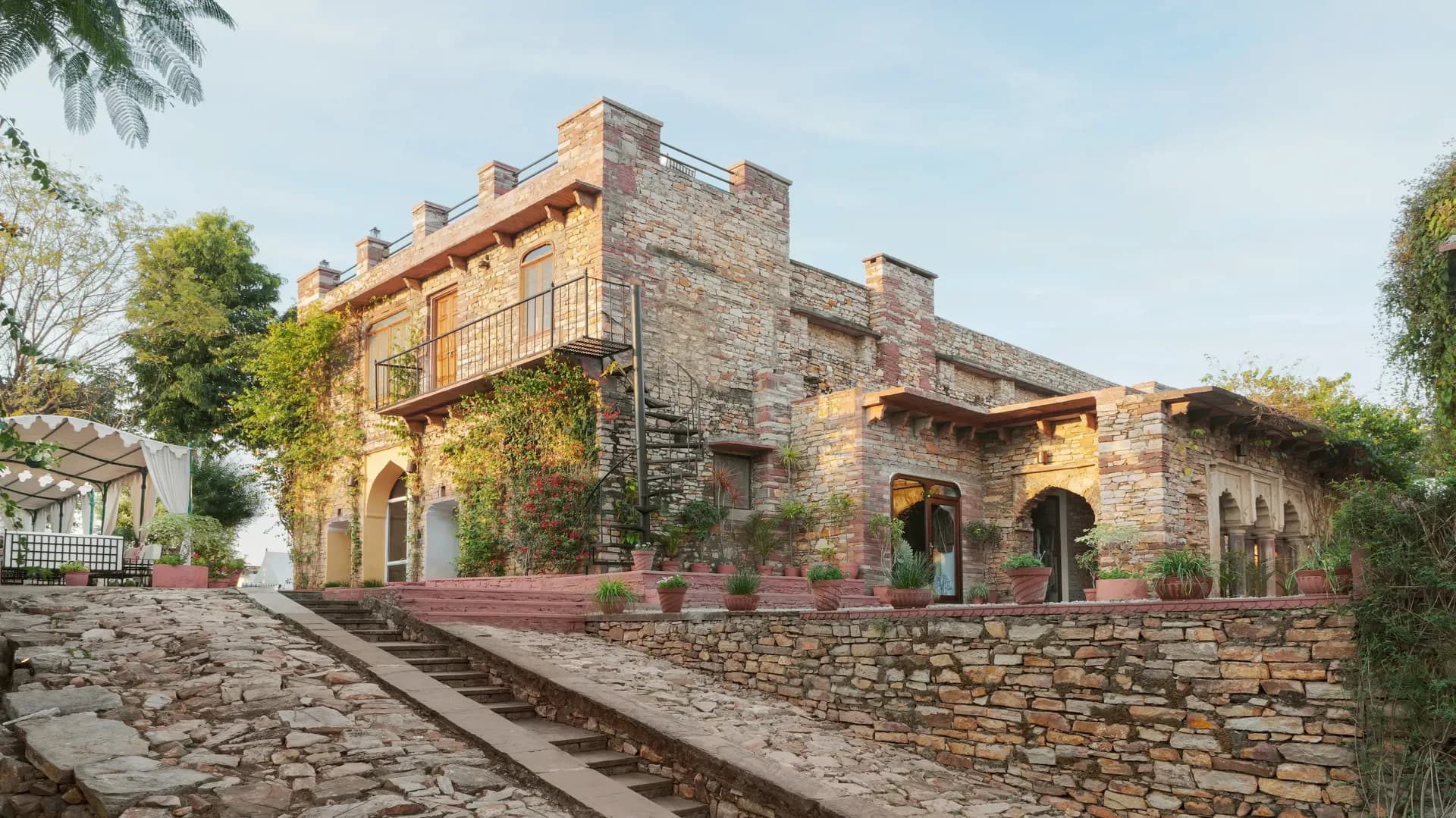
Ramathra Fort rises from Karauli’s landscape with the character of a 350-year-old fort that has found new purpose through restoration, reforestation, local employment, and rural engagement. Its Pinwheel story is one of heritage made useful, and conservation made visible.
Solar heaters provide hot water, while energy-efficient lighting and appliances reduce consumption. Water is recycled, and greywater is used to regenerate the forest around the fort, turning daily operations into landscape restoration.
Waste is managed through discouraging single-use plastic and plastic in general. Composting and dry waste segregation are practised, with dry waste sent for recycling. Local staff, guides, and boatmen are trained in hospitality despite no prior experience, creating inclusive pathways into tourism.
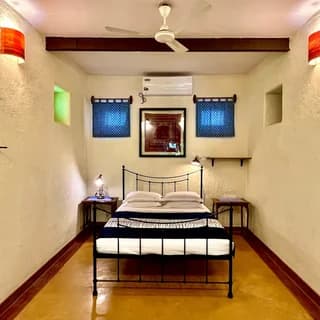
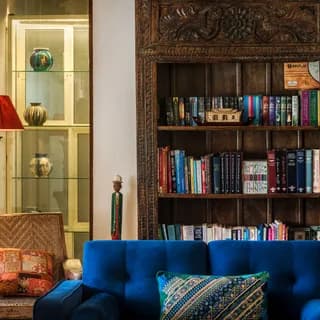
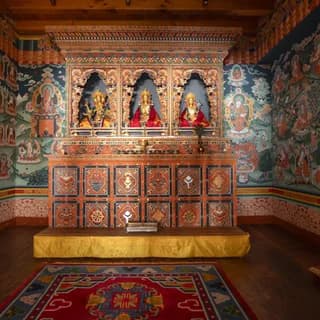
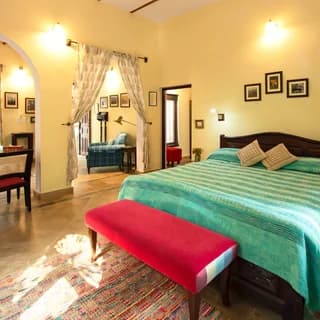
The fort itself has been restored using local materials, artisans, workmen, traditional style, and antique furniture. This keeps heritage grounded in local skill rather than imported polish.
The biodiversity story is extraordinary. The family has reforested a previously deforested hill using recycled water. Wildlife has returned, and the property received a District Level Wildlife Conservation Award for habitat restoration in the Ramathra Fort Conservancy.
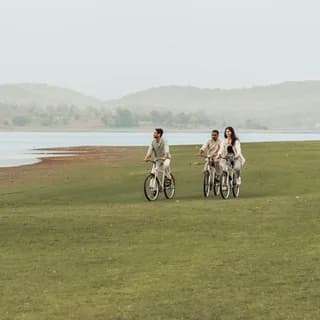
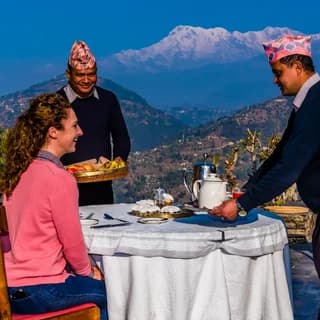
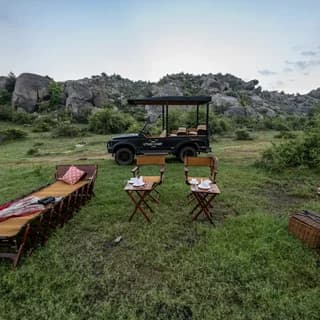
The guest experience is centred around the fort, organic vegetables grown on the farm below the hill or sourced locally, and village walks. Community engagement includes support for the local school, girl-child education, warm clothes and shoes for children, school cleaning, tree planting, and a village dispensary.
Ramathra Fort shows how heritage hospitality can look outward. A fort, after all, was once built to defend. Here, it has learned to restore.