


Sustainability Story of RAAS Chhatrasagar
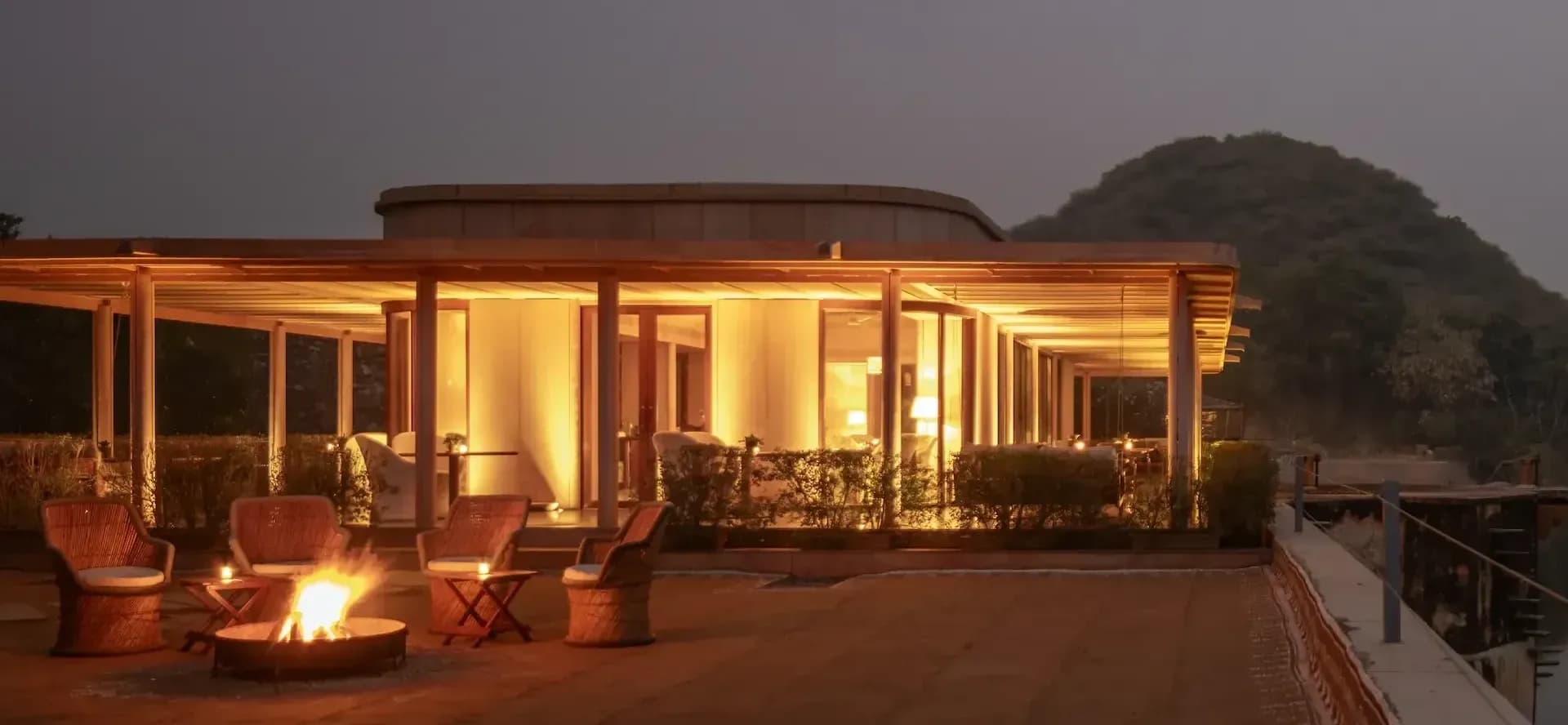
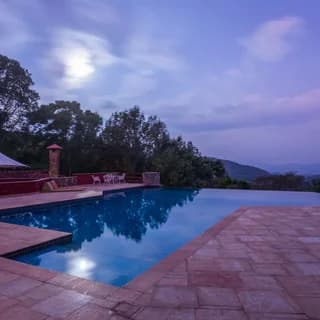
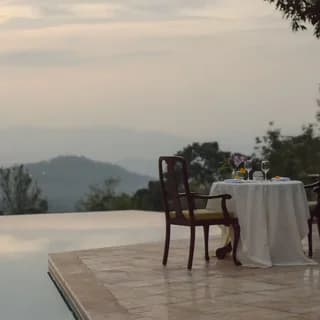
RAAS Chhatrasagar is a fine example of how luxury can emerge from ecological recovery rather than architectural extravagance. Set beside a reservoir in Rajasthan, it tells a Pinwheel story of energy efficiency, water conservation, waste reduction, local employment, biodiversity regeneration, light-footprint construction, and community benefit.
Solar power heats water, while a Platinum LEED-rated air-conditioning system helps reduce carbon-based energy consumption. Aerators reduce water use across guest bathrooms, public restrooms, staff washrooms, and kitchens. Greywater is reused in gardens and public areas, and rainwater harvesting reduces dependence on public resources.
RAAS removed single-use plastic from its properties in 2016, replacing plastic bottles with glass bottles and using refillable bathroom amenities. Its supplier engagement also supports reduction of single-use plastic further down the chain.
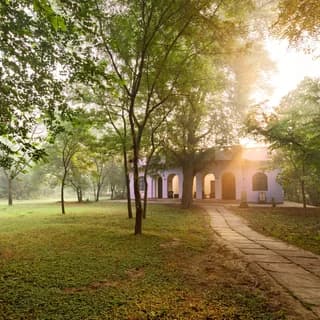
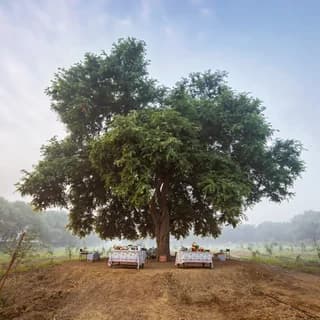
The biodiversity story at Chhatrasagar is especially strong. Large areas once used for agriculture have been allowed to regenerate. Indigenous trees, grasses, and shrubs have returned, supporting neelgai, wild boar, jackals, foxes, mongooses, porcupines, and more than 250 bird species. The reservoir is maintained and continues to support surrounding farmlands, making water, wildlife, and agriculture part of one linked system.
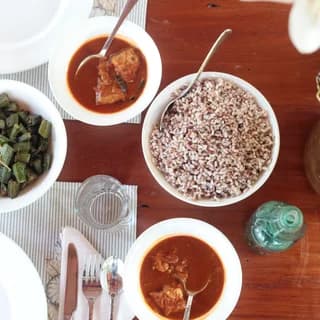
Local construction materials, herb and vegetable gardens, local sourcing, organic wheat and pulses, and destination-based experiences help keep the property’s footprint lighter. A significant part of the workforce is local, and local businesses are supported.
Through the Virasat Foundation, RAAS supports government schools, clean toilets, potable drinking water, and the restoration of Indira Kund. Chhatrasagar’s hospitality is expansive without being excessive. Its real luxury is the return of life to the land.










-320x320.webp&w=3840&q=75)
-320x320.webp&w=3840&q=75)